How Vinyl Wrap Supports Circular Economy Principles in Modern Renovation Practices
December 10, 2025Key Challenges in Traditional Renovation
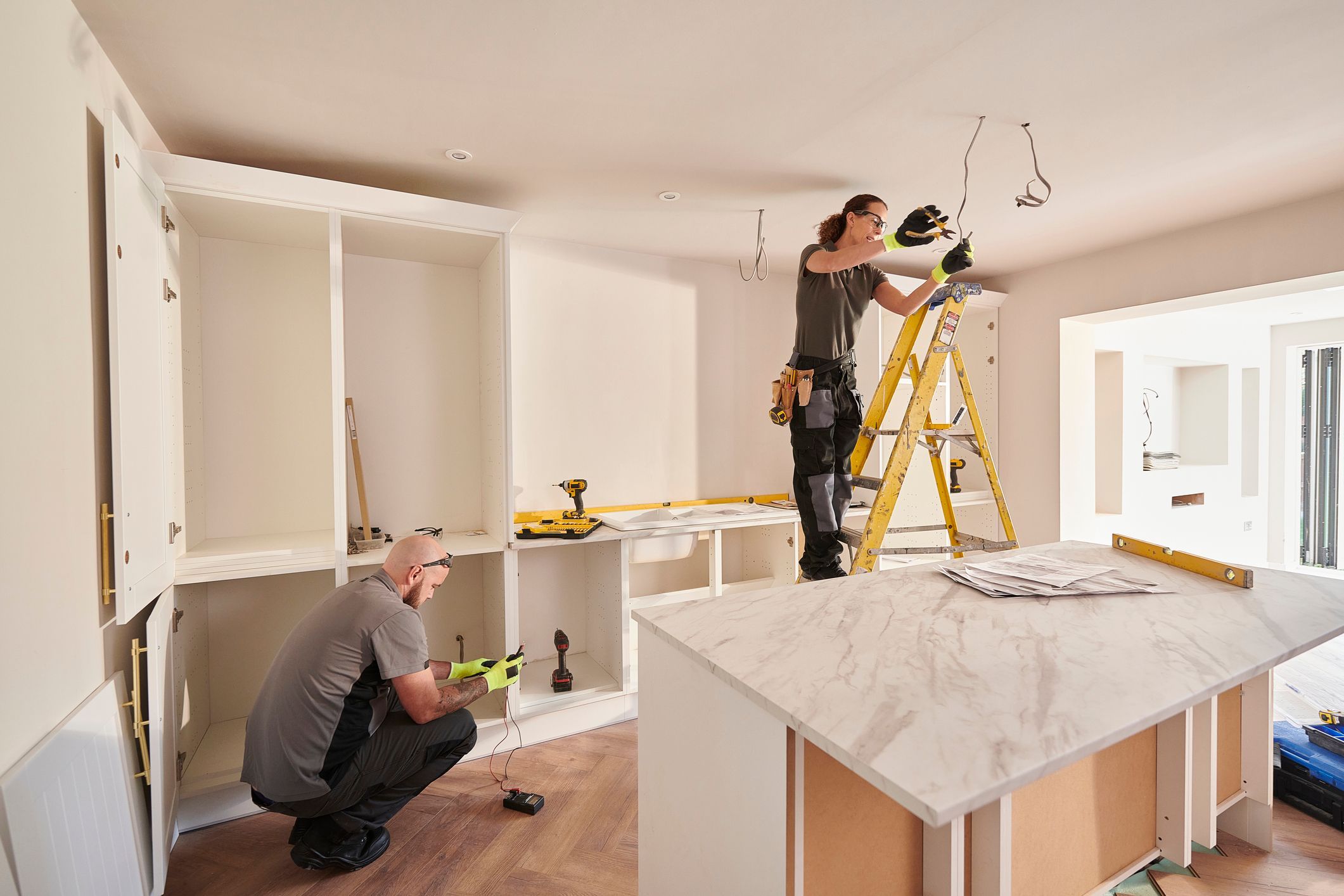
The urgency of implementing circular renovation practices should be clear when you consider the sheer amount of waste left behind even a simple renovation. Think old (but still usable) furniture, decor, or raw materials that will simply rot away at a landfill.
In addition to immediate pollution, traditional renovation also feeds a cycle where unnecessary consumption necessitates continued manufacturing, which naturally requires additional raw materials and extra energy consumption.
According to research, construction and renovation produce close to a third of global waste, while also having a significant impact on total CO2 emissions.
Material reuse and refurbishment may not change the world overnight, sure. However, it will disrupt the damaging cycle, minimize immediate waste by a wide margin, and contribute to a long-term shift in culture in the construction and renovation sectors.
How Vinyl Wrap Can Contribute to Circular Economy Principles
Vinyl wrap circular economy is easy to grasp. Because using vinyl wrap on surfaces protects them from damage and extends their lifespan, homeowners and business operators can put off significant renovations and get more mileage out of their existing furnishings.
Even in cases where renovation is due, vinyl wrap minimizes waste and keeps complex construction to a minimum. Moreover, refurbishing can breathe new life into existing surfaces and furnishings while also providing flexibility with new designs and modernization.
In the long term, if any of the surfaces do suffer damage, instead of starting a long and arduous renovation process or purchasing new materials, you can simply replace the damaged section of the vinyl.
What Are the Environmental Benefits of Vinyl Wrapping
Eco-friendly interior film, such as the PVC-free vinyl wrap, not only supports sustainability goals for businesses on a smaller scale but also contributes to the wider circular economy.
For starters, doing so reduces material waste and minimizes emissions required for manufacturing new furnishings and construction materials. Reusing materials will also reduce transportation needs, which in turn decreases the overall logistics impact.
This may not reverse the environmental damage instantly. Yet, the small efforts do add up in the long run, especially when viewing the impact from a macro level.
Vinyl Wrap Circular Renovation Applications
Vinyl wrap circular economy can take wings in a variety of commercial applications. For instance, vinyl film is often used for eco-friendly renovation in offices where the lifecycle of partitions, doors, and desks can be significantly extended.
Similarly, it also has a place in healthcare or education sectors where high-touch surfaces can be reinvigorated without requiring sizable changes.
Retail chains can also benefit from circular renovation with vinyl films, especially if the business requires updates in multiple locations.
Hotels, on the other hand, can update existing furniture, refresh the design without purchasing new expensive items. This can be particularly cost-effective for larger hotels with higher numbers of rooms.
How Vinyl Wrap Aligns With Sustainable Building Trends
Modern companies are increasingly cognisant of ESG criteria, which have a noticeable role in all decisions, including renovation and refurbishment. Due to its ability to extend the lifespan of company assets and limit waste, the vinyl wrap circular economy can directly support individual ESG goals.
Most importantly, since vinyl wrap is a low-impact solution, updating and protecting surfaces reduces environmental effects, while also leveling up the overall design and the visual impact of interiors.
For instance, wood imitation adhesive wrap can allow designers or managers to mimic the original material and overhaul the space at a fraction of the cost of a full renovation. This means companies can meet their design goals while also staying eco-friendly and preserving their bottom line.
Wrapping Up
Vinyl wrap is a smart way to align commercial or residential renovation projects with the key tenets of the circular economy. It’s straightforward: vinyl wrap provides the opportunity to reuse existing furnishing, extend their lifespan, reduce waste, and drastically improve repairability.
The benefits of this low-impact solution in a commercial setting are quite significant, as it reduces renovation costs while also allowing companies to meet their ESG criteria.
Ultimately, low-carbon refurbishment strategies and a circular economy are an integral piece of sustainability that will, over time, lead to a massive reduction in waste and industrial energy expenditure, proactively helping the planet recover.
If you’re interested in finding insights and ideas on implementing vinyl wrap in your next renovation or construction project, here at CoverStyl, we got you covered. Feel free to explore our comprehensive blog to learn more.