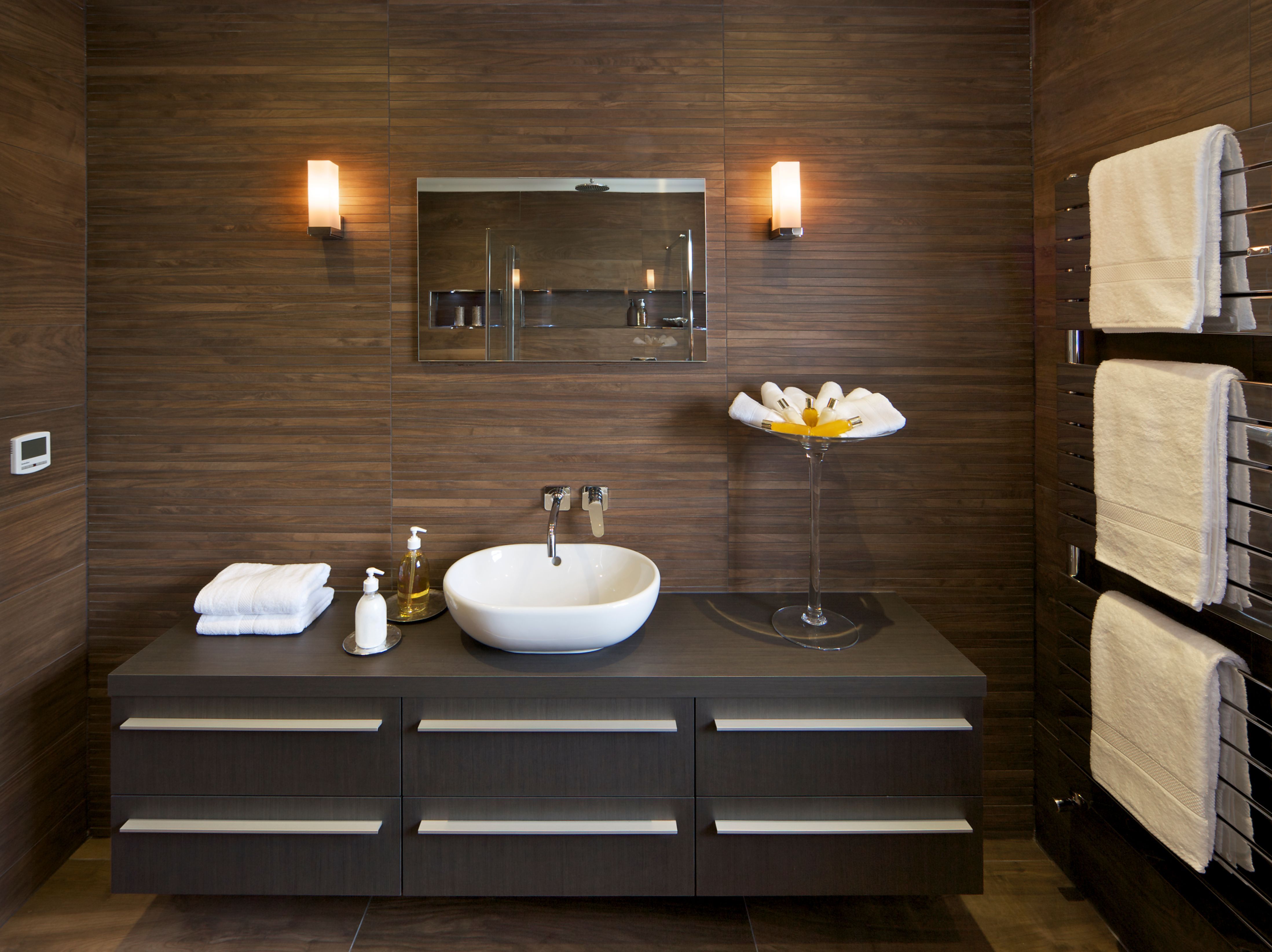
Vertical Wood Surfaces: How to Use Wood Vinyl for Accent Walls and Columns
December 10, 2025Why Use Wood Vinyl on Vertical Surfaces?
Vertical surfaces will often define the character of a room more than any other architectural component. Walls and columns can guide the eye and influence how light behaves throughout the space, so if you add a wood texture, it immediately changes the mood.
Wood vinyl achieves this effect without the drawbacks of real timber, since these types of films can offer a stable finish that doesn’t react to everyday wear and requires far less maintenance.
The material is also lighter and more adaptable than natural wood, which will make it way easier to apply on large or curved surfaces. Installers always appreciate this flexibility because it avoids heavy construction work and reduces downtime in commercial environments.
These qualities make wood vinyl a logical choice for both small decorative upgrades and complete interior transformations.
Designing With Wood Vinyl Accent Walls
An accent wall can quickly establish a room’s tone, and wood vinyl helps the surface feel warm and grounded. So, choosing the right wood tone becomes an essential part here, because the wall must work with the rest of the interior rather than just compete with it.
Some rule is that the light woods brighten smaller spaces or rooms with limited natural light.
On the other hand, medium tones can feel balanced and blend easily with modern furniture. Darker grains fit well in contemporary interiors that need a bold focal point or a sense of depth.
But remember, placement influences its impact. In bedrooms, the wall behind the headboard usually carries the most substantial visual weight, so using wood vinyl can add a sense of calm and intention.
Living rooms often benefit from placing wood vinyl behind the main seating area or a media wall to create structure in open layouts.
And, in commercial settings such as reception zones, a wood vinyl accent wall helps build a welcoming atmosphere while maintaining a professional appearance.
Grain scale also plays a major role here.
Fine, linear grains work best in smaller rooms because they keep the surface visually clean. Wider, more expressive patterns are appropriate for larger spaces where the wall needs more presence. Lighting also changes how the wood appears, since soft ambient light highlights texture and directional lighting emphasizes contrast.
Transforming Columns With Wood Vinyl
Columns can often look out of place when you leave them untreated, especially in open-plan interiors, but wrapping them in wood vinyl can help them become part of the design rather than an interruption.
When a column carries a wood texture, it gains a defined purpose and creates a vertical line that supports the overall structure of the room.
So, matching the column’s finish with nearby furniture or wall panels is usually the most effective approach, because this consistency creates a natural flow. In larger environments with multiple columns, using the same wood tone on each one helps guide the eye and builds a rhythm that improves spatial organisation.
Grain direction determines the visual effect. Vertical grain elongates the column and makes the form feel elegant and refined.
Horizontal grain makes the column appear wider, but this choice works only in specific design scenarios. Most interiors benefit from keeping the grain direction vertical, since this looks natural and strengthens the architectural line of the column.
Practical Advantages for Designers and Installers
Wood vinyl brings practical value beyond aesthetics. The film’s durability allows vertical surfaces to withstand contact in high-traffic areas, which is essential in hotels, corridors, commercial spaces, or busy family homes.
Since maintenance routines involve simple cleaning, the material stays presentable for a long time without requiring sanding, varnishing, or special treatments.
Installation remains straightforward and fast. Applying wood vinyl rarely requires demolition or noisy construction work, which is why it suits interior renovations that must keep the space functional during the process. Installers can also work around existing surfaces, which reduces both costs and downtime.
People who want deeper technical explanations about applying films to vertical areas can explore our expert tips for working with architectural vinyl in this guide
Achieving Visual Harmony With Other Materials
Wood vinyl pairs naturally with a wide range of materials, which helps designers create balanced interiors. Combining wood with concrete or stone introduces contrast between warm and cool surfaces.
Metallic details support modern spaces where darker woods are used. Soft fabrics work well with lighter grains, especially in living rooms or hotel suites where comfort matters.
To keep the interior coherent, it helps to repeat similar tones or textures throughout the space.
For example, matching the tone of a wood vinyl accent wall with a slightly lighter wood vinyl on cabinet doors creates a unified look without making the room feel repetitive. If the interior includes bold elements such as patterned textiles or textured stone, selecting a subtle wood grain helps maintain balance.
For those planning new projects, the wood-effect vinyl collections suitable for vertical surfaces offer finishes that work nicely on accent walls, columns, and architectural features across residential and commercial interiors. So, to complement vertical wood designs, you can explore our collection of wood finishes for additional patterns and textures.
Conclusion
Using wood vinyl on vertical wood surfaces, such as accent walls and columns, can help designers create warm, structured, and visually coherent interiors without relying on heavy materials or long renovation processes.
With careful attention to grain direction, tone selection, and placement, wood-effect films turn simple surfaces into defining elements of a room.