How to Use Interior Film to Create Flexible Zones in Open Space
December 10, 2025What Interior Film Is and Why It Fits Open Layouts
Interior film is a thin architectural covering that adheres directly to flat or slightly curved surfaces. It can change the appearance of walls, partitions, columns, storage units, or existing furniture. Since the film comes in wood tones, stone textures, matte colours, metal effects, or patterned designs, it can create a different atmosphere in each part of an open-plan area.
What makes this useful is the simplicity of the process. You apply the film to an existing surface and avoid construction, noise, dust, or relocation. This makes zoning faster and more adaptable, especially in offices or homes where people prefer to adjust their layout over time.
Why Open Spaces Need Zoning Support
An expansive room is comfortable until several activities run at the same time. Work areas blend into dining zones, social corners overlap with circulation paths, and retail spaces lose their internal structure. When everything sits in one large visual field, it becomes harder for people to understand where specific actions should happen.
Interior film can help solve this by giving each function a distinct visual cue. A textured wall can hint at a meeting area. A warm wood effect can signal a relaxation corner. A darker colour can mark a transition between public and private zones. These small changes allow the space to behave more predictably without reducing openness.
Working with the right surface finishes can also support a smoother transformation, so browsing decorative interior films for zoning can help you match textures, colours, or patterns to the type of space you want to define.
Differentiating Wall Finishes
Changing the texture or colour of one wall can make a zone feel distinct even without adding furniture. A soft fabric effect can support a reading corner, while a brighter surface can shape an active workspace.
Wood tones can help a lounge area feel warm and grounded. Since the film sits directly on the wall, adjusting zones later remains straightforward.
Visual Separation Through Contrast
Sometimes a slight difference is enough. A light wall next to a darker panel creates a visual pause, helping the eye understand the layout. This approach can work really well in offices where work desks need separation from collaboration zones. It can also support hospitality designs that guide guests toward service areas without visible barriers.
Using Patterns or Stone Effects for Identity
Patterns can subtly identify meeting areas or focused work zones. A stone effect can highlight a feature wall behind a reception desk. Soft linear patterns can define a path or corridor inside a retail layout. These changes are going to support interior film applications that give each zone purpose without adding significant structural elements.
Reversible and Temporary Zoning
Film can be updated over time. When a business changes its workflow or a home shifts its needs, the zones can adapt by replacing or modifying the film. This makes it easier to keep pace with modern interiors that often evolve rather than stay fixed.
In open living spaces, this approach can help families create a small study corner during busy seasons and change it later when the room needs a different focal point.
Practical Examples Across Different Settings
Offices
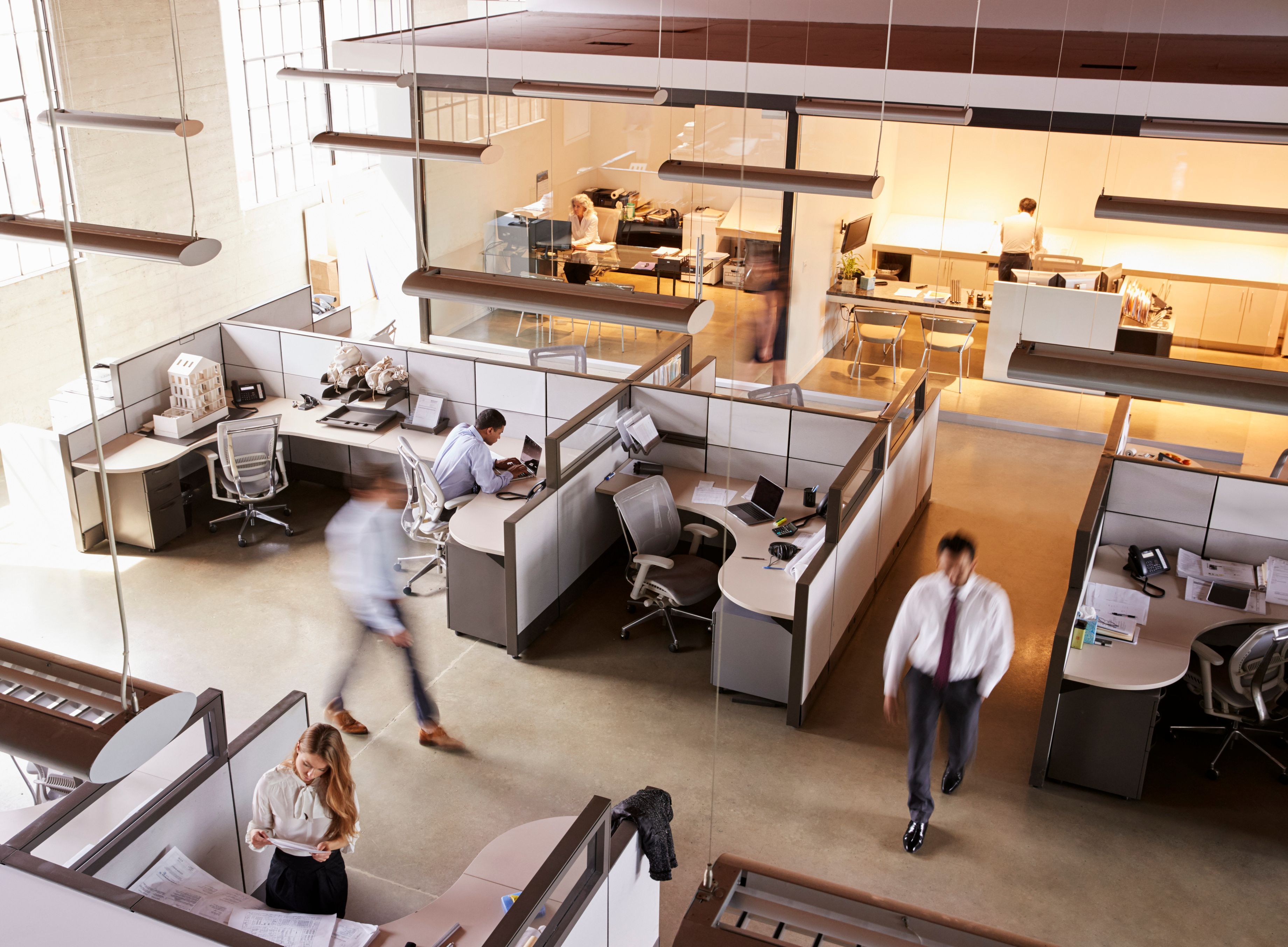
Workspaces often need flexible arrangements throughout the year. Interior film can support flexible workspace design by marking collaboration points, quiet focus areas, or meeting corners. A calm matte finish near desks encourages concentration, while a textured pattern can set apart a shared table used for team tasks.
Retail Areas
Shops can define product zones, walkways, and display walls with film. A darker tone can frame premium sections, while brighter colours make promotional zones easy to notice. Since retail layouts change frequently, the replaceable nature of film helps the space remain visually consistent without a complete renovation.
Hospitality Interiors
Restaurants and lounges benefit from subtle separation between circulation paths and seating zones. A warm stone effect can highlight a waiting area, and a wood tone can soften the atmosphere in dining sections. These adjustments make large rooms feel more organised without breaking the open concept.
Residential Open Spaces
Living rooms connected to kitchens or dining areas can gain structure with small visual cues. A film applied behind shelves can shape a reading nook. A textured panel can support a workspace without adding a physical divider. These choices keep the home adaptable and comfortable.
Harmony and Continuity in a Zoned Open Space
Even when areas need contrast, the overall space must remain coherent. Using colours from the same palette or textures that complement each other helps maintain visual unity. This prevents zones from feeling disconnected.
A designer might select a wood effect for a relaxation corner and then choose a softer tone for nearby walls. The transitions remain smooth while the zoning stays clear. The goal is a balance where each area feels independent but still part of a larger picture.
Why Cover Styl Decorative Films Support Open-Space Projects
The wide variety of textures and tones makes it easier to match the film with many interior styles. Since installation is quick and does not require demolition, it fits projects completed during business hours or residential updates that need minimal disruption. These qualities support decorative films for flexible space design that adapt to both professional and home environments.
If you want more insight into how open spaces behave and how small design choices can influence productivity, you can read this article from our blog:
explore more interior transformation ideas
Conclusion
Interior film can shape flexible zones in open spaces without changing the physical structure of the room. A few surface updates can guide movement, define activity areas, and improve comfort for everyday use.
If you want to build a layout that stays adaptable and cohesive, interior film becomes a practical part of the design process.