Sustainable Wood Alternatives: Why Vinyl Wood Is the Eco-Smart Choice
November 26, 2025What Defines a Sustainable Wood Alternative?
First thing you should know is that any material can be considered sustainable when it supports long-term use, reduces resource consumption, and helps prevent unnecessary waste.
When it comes to interior design, sustainability can also include production efficiency, responsible use of raw materials, and the ability to renovate without discarding functional furniture.
For example, a wood alternative becomes eco-friendly when it avoids continuous harvesting, offers durable performance, and makes use of recyclable or long-lasting components.
Vinyl wood can fit this logic because it can replace demolition-heavy renovations with light, surface-based upgrades.
So, instead of just throwing away cabinets, doors, or tables, you can apply a wood-effect vinyl finish that refreshes the look while keeping the existing structure intact.
The Environmental Limits of Natural Wood
The fact is that natural wood has undeniable beauty, but the environmental cost can be significant when demand exceeds responsible sourcing.
Harvesting, drying, treating, and transporting wood require large volumes of energy and water. Some species also grow slowly, making replacement cycles long and challenging to maintain when global consumption continues to rise.
In interior spaces where humidity, wear, or cleaning routines are intense, natural wood can deteriorate faster than expected.
The result is frequent replacements, which increases waste even further.
So, when designers or homeowners want the look of wood without the need for repeated sourcing, wood-effect alternatives can be that practical relief. Vinyl wood answers those needs by giving the same visual warmth while avoiding unnecessary strain on natural ecosystems.
Why Vinyl Wood Is an Eco-Smart Choice
Vinyl wood can also become your eco-smart alternative when you look at how effectively it reduces new resource consumption.
So, instead of removing your old doors, wardrobes, counters, or panels that still function structurally, you can rejuvenate them with wood-effect vinyl wraps. This approach instantly cuts down on waste because the original materials stay in use instead of heading to landfills.
Vinyl also helps conserve natural wood by offering a realistic appearance without requiring timber harvesting.
Because these types of alternatives are easy to clean and resistant to moisture or everyday wear, it does not need repeated sanding, varnishing, or chemical treatments.
So, homeowners like you or designers and professionals can maintain the appearance of wood while relying on a solution that supports long-term interior stability.
Durability as a Sustainable Advantage
Durability is one of the most substantial environmental benefits of vinyl wood. Sustainable renovation solutions must hold up to daily use, and vinyl wood does precisely that. It resists scratches, moisture, and common stains, which means surfaces stay visually appealing longer.
This durability reduces the need for replacements and prevents the cycle of constant disposal and reinstallation that affects real wood in specific settings.
Every room has its, let’s say, features. So, in rooms with high humidity, such as bathrooms or kitchens, wood-effect vinyl maintains its appearance even when exposed to fluctuating temperatures or steam.
On the other hand, in commercial spaces, its impact resistance can help you maintain a clean, professional look despite heavy foot traffic.
So, the long-term performance of vinyl wood directly contributes to less renovation waste and fewer discarded materials.
For more ideas on how surface finishes can improve professional environments, aka commercial ones, you can explore our guide on transforming commercial spaces with adhesive films.
The Aesthetic Benefits Without Environmental Cost
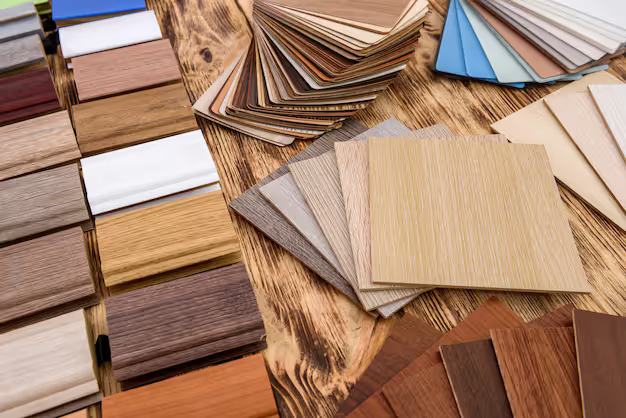
Vinyl wood also offers a wide range of visual options, from light Scandinavian grains to deeper tones for modern or traditional interiors.
These finishes allow designers to choose between patterns that match the existing palette without the need to source rare woods or stain natural boards repeatedly. The result is the same natural warmth of timber without the environmental cost.
Because vinyl wraps can be installed on multiple surfaces, they will provide you with the flexibility that real wood cannot offer without major construction work.
So, walls, furniture, reception desks, wardrobes, and doors can all receive a consistent wood look that aligns with the overall design concept.
And, if you’re looking for more inspiration, you can browse our full collection of wood-effect finishes to explore additional patterns and textures.
Vinyl Wood in Modern Sustainable Renovation Projects
Many people who are renovating their spaces should choose vinyl wood because it eliminates demolition waste. Instead of stripping away large panels or replacing built-in furniture, you can just apply a new finish directly onto the existing structure. This method reduces noise, dust, and transport emissions during the renovation process.
The lightweight nature of vinyl wood also helps maintain structural efficiency in commercial environments, such as hotels, offices, or rental units, where durability and quick installation are priorities.
And the material fits well with sustainability-focused projects that aim to minimize environmental impact while achieving a high-quality visual result.
Conclusion
So, vinyl wood wraps can stand out as one of the most sustainable wood alternatives because they help preserve existing furniture, reduce the need for new timber, and maintain long-term performance with minimal waste.
So, by choosing durable and realistic wood-effect vinyl wraps, homeowners and professional interior designers can design spaces that feel warm, natural, and environmentally responsible at the same time.