

Dust-Free Office Renovation During Business Hours | Sequencing & Safety
June 6, 2026Why Film Renovation Eliminates the Dust Problem
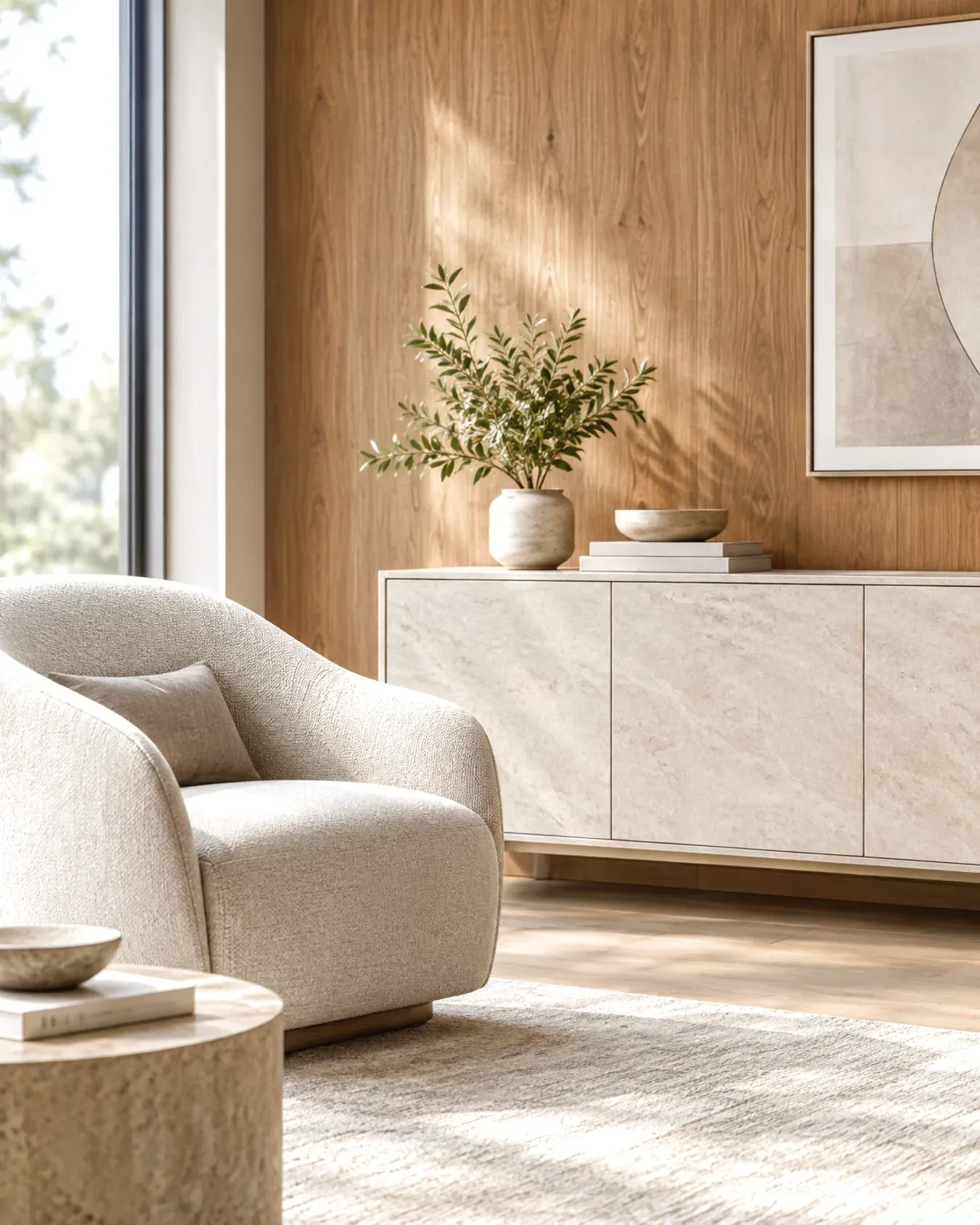
Traditional office renovation methods create airborne particulates, chemical emissions, and debris that compromise indoor air quality and employee safety. In contrast, adhesive film overlays existing surfaces without cutting, sanding, or painting. There is no dust from demolition or abrasion, no PVC off-gassing, and no solvents or strong adhesives releasing fumes. Installers can refresh high-touch office surfaces like worktops, counters, meeting tables, without disturbing daily operations. The result is a fully renovated surface with a clean matte or textured finish, ready for immediate use.
Zone-by-Zone Sequencing: Planning a Live Office Renovation
Successful dust-free office renovation relies on careful sequencing of spaces to minimize disruption. Installers should follow a structured workflow:
- Meeting Rooms: These spaces are intermittently occupied, making them ideal starting points. Tables, credenzas, and wall panels can be wrapped with matte or brushed adhesive film without interrupting scheduled meetings.
- Breakrooms and Kitchen Areas: Worktops, cabinet doors, and lockers can be renewed with scratch- and moisture-resistant films, maintaining hygiene standards while staff continue to use appliances.
- Reception & Front-of-House: Film renovation preserves the polished appearance of reception counters and decorative walls, often in high-gloss or high-resistance finishes, while visitors and employees circulate normally.
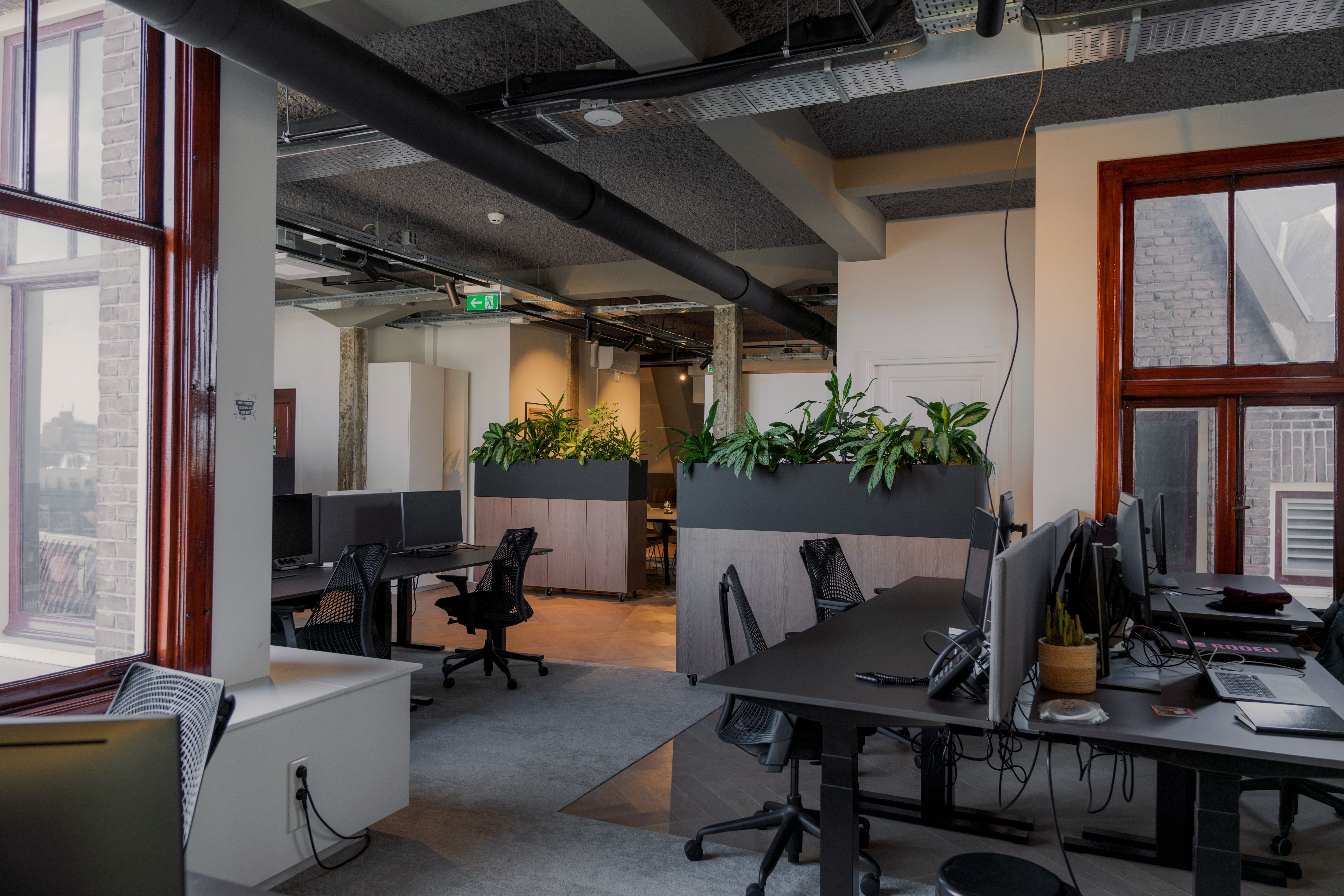
- Open-Plan Workspaces & Corridors: Desks, partition frames, and feature walls can be addressed incrementally, coordinating with hot-desking patterns to avoid simultaneous disruption.
- Executive Offices: Typically smaller and more predictable in occupancy, these areas are best tackled last, ensuring premium surfaces such as high-gloss credenzas or glass partitions, are handled with care.
Sequencing by zones allows installations to proceed in stages without blocking access to occupied areas. Each zone can be completed fully before moving on, giving employees confidence that the workspace remains safe and usable throughout.
Surface-by-Surface Considerations
Adhesive film can transform nearly every office surface with professional precision:
- Reception counters: Apply high-resistance film to withstand heavy foot traffic and frequent cleaning while maintaining a seamless, polished look.
- Breakroom worktops and cabinets: Brushed or matte textures create a modern appearance while resisting scratches and spills.
- Meeting room tables and credenzas: Smooth matte or satin finishes convey sophistication without compromising hygiene or durability.
- Locker doors and storage units: A uniform surface covering refreshes cabinets quickly, maintaining office aesthetics.
- Glass partitions and feature walls: Transparent or frosted films enhance design consistency and can be applied without creating airborne particles.
Every finish can be specified to match office design standards, enabling a complete visual overhaul without disrupting the working environment.
Health & Safety and Indoor Air Quality
Installing adhesive film removes nearly all HSE risk associated with office renovation. There is no dust to inhale, no debris to remove, and no chemical exposure from paints or solvents. Offices with indoor air quality policies, BREEAM targets, or sustainability charters can achieve renovation goals without violating employee safety standards. Film solutions that are PVC-free further reduce VOC emissions, demonstrating a measurable commitment to environmental and occupational health standards.
Coordinating with the Facilities Manager
Effective communication with the facilities team is critical. Installers should:
- Schedule around meeting times and high-occupancy zones.
- Identify “quiet hours” for sensitive operations, such as conference calls or client visits.
- Maintain visual cues for completed and in-progress areas, ensuring staff avoid wet or recently wrapped surfaces.
- Provide clear timelines for each zone to reassure management and employees that disruption is minimized.
These practices turn a renovation into a predictable, low-impact workflow rather than an intrusive construction event.
Pitching an Office Renovation Contract
For professional installers, presenting adhesive film renovation as a dust-free, safe, and efficient solution is a compelling proposition for facilities management contracts. Emphasize that:
- Work can be executed without downtime, preserving business operations.
- HSE obligations are fully addressed, eliminating employer liability associated with airborne dust or chemical exposure.
- Surfaces are refreshed with a premium, durable finish, increasing aesthetic appeal and functional lifespan.
- Renovation is scalable and modular, ideal for phased projects across multi-floor office buildings.
This framing positions the installer as a specialist provider capable of meeting the strictest operational and safety standards.
Conclusion
Adhesive surface film enables professional installers to deliver office renovations during business hours, without dust, fumes, or disruption. By combining zone-by-zone sequencing, surface-specific precision, and compliance with indoor air quality standards, installers can complete projects that satisfy both aesthetic and occupational health requirements. For facilities managers, it represents a safe, efficient, and high-impact solution.