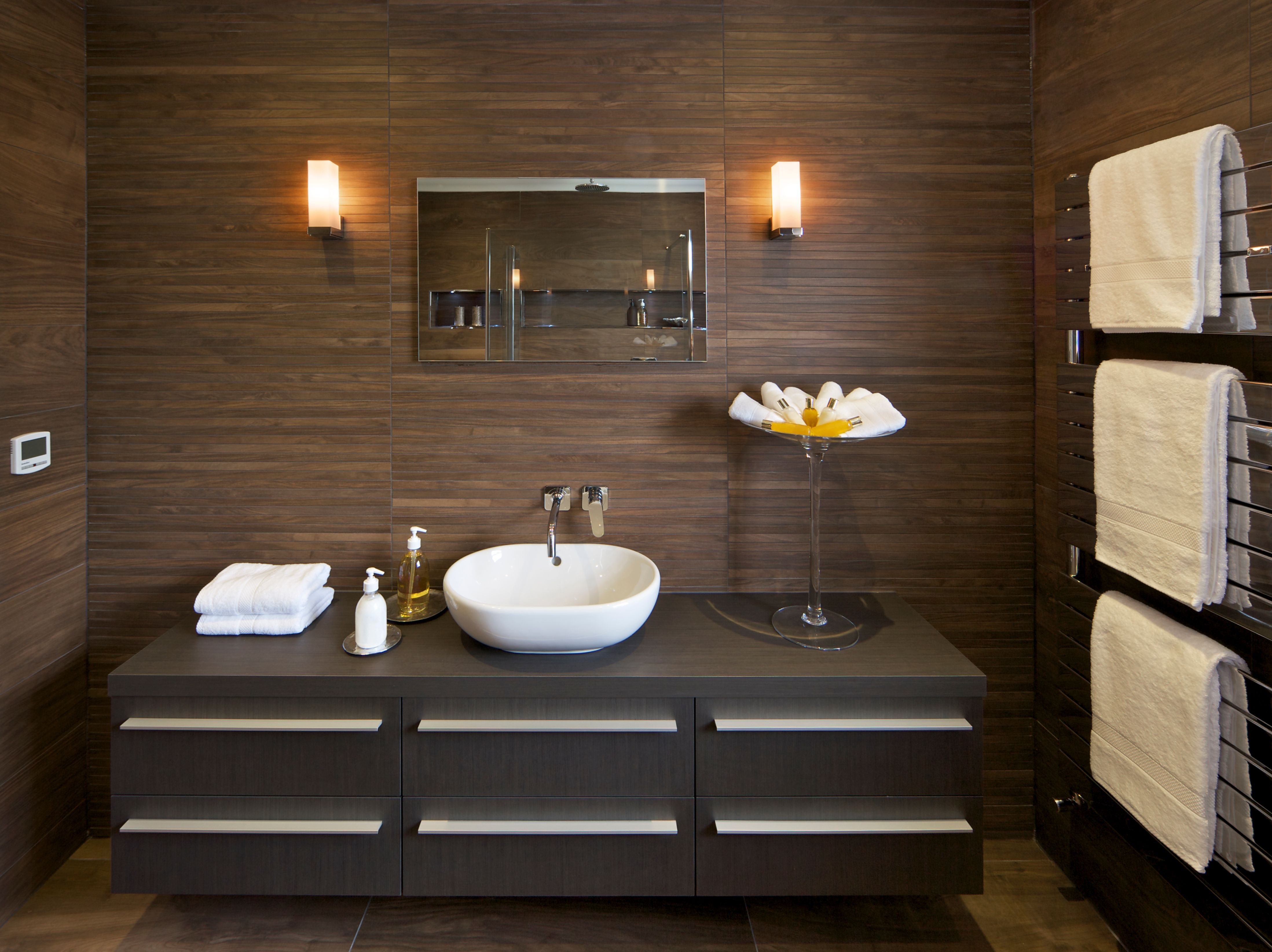
1. Start by Understanding the Line of Movement
A galley kitchen reveals its flow quickly. The straight path between the sink, cooktop, and prep areas becomes the backbone of the room. When clutter or misplaced items interrupt that path, it becomes tiring sooner than expected. Shifting everyday tools toward the central prep zone or giving certain drawers a clearer purpose can help the room feel more aligned. These small changes set the stage for other narrow kitchen solutions later on.
2. Pull Storage Upward Instead of Outward
Vertical storage makes sense here because every centimeter above the counter feels like an opportunity.
Some people add slim shelving, while others rely on a rail for utensils or spices. Once the counters clear up, the room stops feeling like it’s trying to do too much at once. Vertical thinking often complements space-saving kitchen ideas that aim to keep essential tools close without overwhelming the surfaces.
3. Use Light Materials to Catch and Extend Natural Light
Even a modest amount of daylight can go a long way when surfaces reflect it gently. Light woods, soft sheens, pale countertops, and subtle gloss accents help brighten the corridor effect.
Instead of letting shadows collect at the edges, reflective materials encourage the eye to travel forward. This approach supports modern galley kitchen inspiration where brightness feels like a design element of its own.
4. Keep Tones Soft or Neutral to Create a Quiet Backdrop
Soft whites, light greys, or warm neutrals bring a soothing consistency that narrow layouts appreciate.
When colors stay gentle, the eye doesn’t stop at each cabinet but continues through the space. It’s a simple choice that helps unify the room before any major makeover begins. A calm palette also makes it easier to experiment later with subtle contrasts or accent textures.
5. Introduce Decorative Film for Texture or Contrast
Many people want a quick way to change the kitchen’s mood without adding bulk or replacing large elements.
Decorative film helps deliver that balance by adding warmth, depth, or even a hint of pattern while keeping the surfaces smooth. A film can also make existing cabinets feel connected to the rest of the room, especially when tones stay consistent.
For projects that need a bit more durability or just a fresh design direction, options like these can offer practical updates: wood effect decorative films for kitchen makeovers
Only a couple of strategic applications can shift the entire atmosphere without pushing the room into visual overload.
6. Replace a Section of Cabinets With Open Shelving
Open shelving gives the eye a short pause. Instead of a long, uninterrupted line of closed fronts, a lighter section breaks the rhythm in a helpful way. This technique works especially well when the objects on display stay simple, like a set of dishes or a few glass containers.
The shelves can invite a bit more depth into the layout, which is something galley kitchens often welcome.
7. Think in Layers When Adjusting Lighting
Lighting tends to influence how narrow a kitchen feels. A single ceiling lamp usually doesn’t reach every area, so layering helps a lot. Under cabinet lighting brightens the counters, while soft strips around the toe kick or upper shelves give the space a grounded glow. Even small pendants can add warmth. When planning kitchen renovation ideas, lighting often becomes one of the most transformative elements.
8. Use Patterns to Stretch or Deepen the Room Visually
Patterns can act quietly, almost like a gentle push against the walls. Long linear motifs draw the eye forward, and small geometries add interest without clutter. Textured films or patterned backsplashes can create more depth than expected, especially when the tones stay close to the overall palette.
The goal is not to dominate the room but to support its length and movement.
9. Choose Furniture That Earns Its Keep
Galley kitchens don’t leave much room for indulgence, so multipurpose furniture becomes a smart ally. A narrow console that doubles as a prep surface or a stool that tucks away fully keeps the walkway free.
Some people add a rolling cart that moves only when needed. This approach keeps the layout flexible and supports small kitchen design for homes that don’t have the luxury of reshaping walls.
10. Keep Appliances Slim and Aligned
When appliances protrude, even slightly, they interrupt the smooth corridor effect. Choosing integrated models or slimmer units helps maintain coherence. Keeping the fronts aligned creates a visual line that makes the space feel longer. Many galley layout tips start with the idea that uninterrupted movement is as important as aesthetics.
11. Use Materials to Suggest Subtle Zoning
Physical dividers don’t work well in a narrow kitchen, but materials can guide activity quietly. A different backsplash tone around the cooking zone or a contrasting lower cabinet film near the prep area can suggest structure. These transitions help the room feel more intentional without adding obstacles. They also support narrow kitchen solutions that rely on visual cues instead of physical barriers.
12. Extend or Wrap Surfaces for a More Fluid Look
Surface continuity can soften the tightness of a galley layout. Extending a countertop finish slightly up the wall or wrapping side panels with matching film creates a smoother visual flow.
Wrap coverings tend to unify the components and reduce the busy feeling that narrow kitchens sometimes produce. A couple of subtle extensions can make the room feel steadier and better connected.
For anyone exploring more ways to rethink small rooms, it may help to look at interior advice that focuses on compact layouts, such as this article that offers additional context to kitchen renovation ideas
Conclusion
Galley kitchens can feel challenging, but they often respond well to small moves that shift the balance. Light, tone, texture, storage, and surface continuity all play their part. Decorative films make many of these ideas easier to achieve, especially when the goal is to refresh without rebuilding.
If this list helps spark a few thoughts for your own space, you might enjoy browsing other Cover Styl blog posts and case studies to see how different materials and design choices come together in real projects.