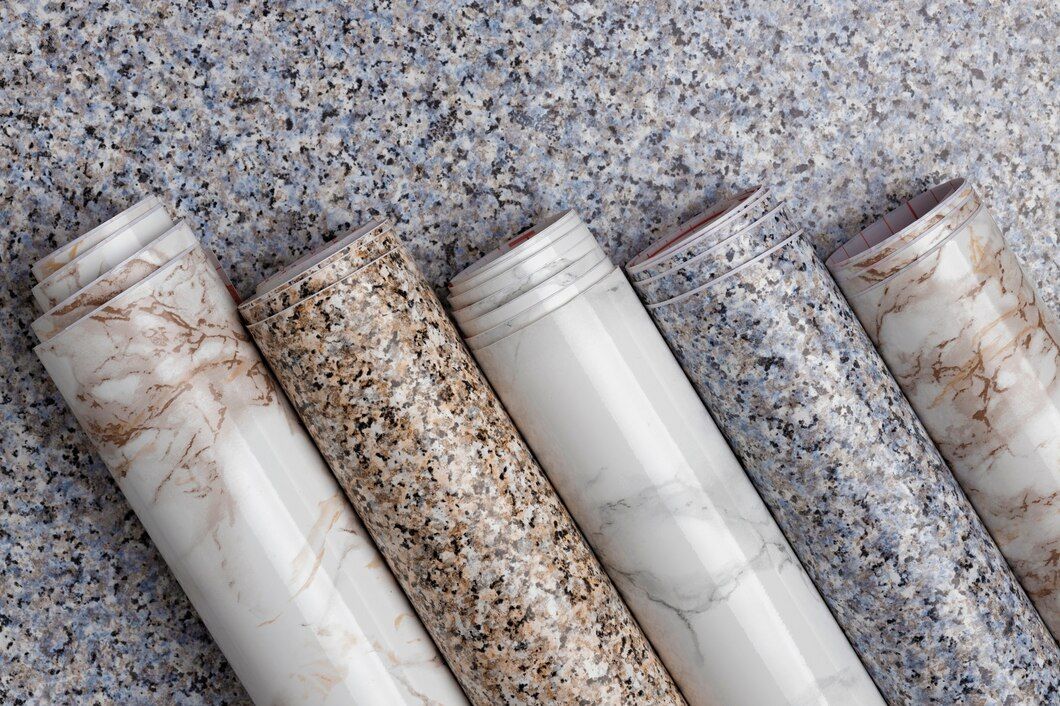
Vinyl Wraps vs Contact Paper: The Real Differences Explained
December 1, 2025What Are Vinyl Wraps?
Composition and durability
Interior vinyl wraps are multi-layer PVC films with a strong pressure-sensitive adhesive. They are built for long-term use on furniture, walls, doors, and counters.
How vinyl wraps are applied
Vinyl wraps need a clean, smooth, dry base. Installers measure, cut, and press the film into place with a squeegee, often using gentle heat to shape it over edges and curves.
If you want more ideas, a guide to decorative vinyl applications shows how self adhesive vinyl for wall and furniture works in real projects.
Where you see vinyl wraps in real spaces
You will find architectural films on hotel doors, reception desks, lift interiors, store fixtures, and kitchen cabinets.
To see the design range, browse high-quality interior vinyl wrap collections with wood, stone, concrete, textile, and colour finishes.
What Is Contact Paper?
Material characteristics
Contact paper is a thin peel-and-stick sheet, usually made from printed plastic or paper with light adhesive. It bends easily but can tear or crease faster than thicker vinyl.
Common uses at home
Most people use contact paper to freshen cupboard interiors, protect shelves, cover small tables, or add pattern to craft projects. It works best in spots that do not see heat, steam, or heavy daily contact.
Benefits and limits for DIY
The biggest plus is speed. You cut, peel, and stick with almost no tools. That makes it one of the easiest DIY decorative wrap solutions for renters and beginners. The trade-off is lifespan. Edges can lift, seams show, and prints fade or scratch sooner, especially in kitchens and bathrooms.
Vinyl Wraps vs Contact Paper: Key Differences
In any interior vinyl wrap comparison, you can see that these materials do very different jobs.
Durability and lifespan
Vinyl wraps are designed to last for many years on doors, cabinets, and walls when installed correctly. Contact paper often looks tired after one to three years.
Heat and moisture resistance
Architectural vinyl films handle steam in bathrooms and near hobs better than thin liners, as long as you still avoid direct high heat. In a contact paper vs vinyl film test around sinks or cooktops, vinyl keeps its shape longer, while contact paper may bubble or warp.
Texture, realism, and feel
High-quality wraps offer deep wood grain, stone, concrete, or textile textures you can see and feel. Contact paper prints are usually flat and look more “plastic” up close.
Thickness, installation, and care
Wraps are thicker, so they hide small flaws and give a solid feel. They need slower, more careful installation, but the adhesive allows some repositioning. Contact paper is thinner and often grabs fast, so mistakes are harder to fix. Both wipe clean, but vinyl tolerates more scrubbing and common cleaning products.
When to Choose Vinyl Wraps
Choose vinyl when you want a real renovation effect, not just a quick cover. It is ideal for long-term kitchen, bathroom, hotel, and retail upgrades. In any renovation vinyl vs contact paper decision, wraps win in high-traffic areas where people will touch and lean on the surface every day.
Vinyl wraps also support complex designs and branding on doors, desks, and partitions. Say goodbye to outdated designs due to restrictive materials. With quality vinyl, you can see your creations as you imagined them and turn plain walls or furniture from boring to fabulous.
When Contact Paper Might Be Sufficient
Contact paper shines in low-stress, low-risk projects. Use it on bookcases, inside cupboards, or on props and displays that will not stay up for years.
For short-term stages, kids’ rooms that change often, or seasonal décor, contact paper vs vinyl film becomes more about budget and speed than strength. Here, contact paper can be “good enough” while you test ideas or plan a more solid upgrade later.
Conclusion
So what is the bottom line on vinyl wraps vs contact paper? Vinyl wraps act as renovation materials. They are thicker, tougher architectural films for long-term projects on real surfaces. Contact paper is a budget tool for light, short-term décor and small areas.
Both are DIY decorative wrap solutions, but they do not offer the same result. Use vinyl when you need a durable skin for cabinets, doors, and walls. Use contact paper when you just want pattern or colour for a little while.
You know your space best, so trust how it feels today.
Ready to upgrade with confidence? Explore Cover Styl’s renovation blog and durable architectural film collections, crafted to give your interiors a long-lasting, professional finish.