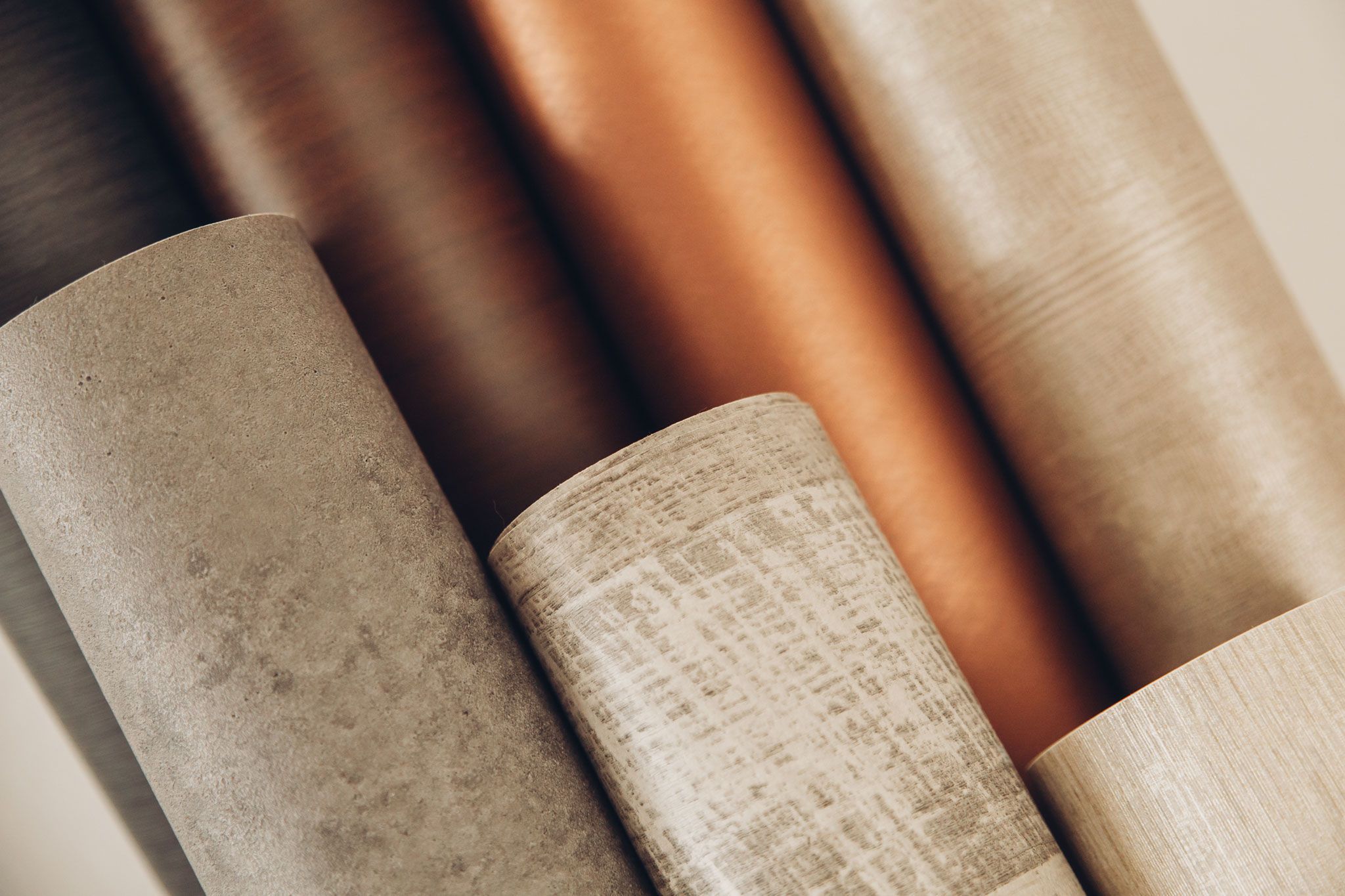
Vinyl Wrap Innovations: New Technologies Transforming the Future of Surface Materials
December 10, 2025Recent Innovations Reshaping the Vinyl Wrap Industry
The Vinyl wrap industry has seen rapid innovation in material engineering, adhesive science, and performance coating. These new advanced vinyl film technologies have pushed the future of surface materials beyond traditional decoration into the realm of architectural-grade surface solutions. Here’s how:
Advanced Surface Engineering
Advanced vinyl film technology now comes with micro-layered protective coatings. This helps in resisting UV impact on the surface and abrasion. With this, you extend surface longevity while maintaining visual clarity and tactile quality.
Heat-Adaptive and Thermoformable films
Thermoformable high-performance interior film makes it possible to refinish curved edges, complex shapes, and uneven surfaces. This helps expand the range of the application from cabinetry and doors to columns and furniture.
Antimicrobial and Hygienic Coatings
High-performance interior film with its antimicrobial technology is sought out by healthcare, corporate, and hospitality environments. This is to boost the hygienic level of the environment.
Compliance and Fire-Rated Upgrades
Fire resistance ratings and global compliance updates are now strictly enforced on next-generation vinyl wrap. This ensures that each product meets essential safety standards for commercial and public installation.
High-Performance Adhesive System
A high-performance interior film now comes with a high-performance adhesive system that helps in faster installations, clean repositioning, long-term surface bonding, and residue-free removal. This gives greater flexibility and significantly reduces project downtime.
How These Innovations Improve Durability, Sustainability, Aesthetics, and Functionality
Vinyl wrap technology now offers a combination of performance, lifespan, and design value that rivals traditional materials. This helps increase durability, sustainability, aesthetics, and functionality to a whole new level.
- Sustainability through waste reduction. Material innovation for renovation allows surface renovation without having to demolish them.
- Aesthetic precision with expansive design options. With hundreds of textures and fish, innovative decorative coverings offer limitless design combinations to suit your working surface.
- Functional performance for modern space. It now includes fire-rated coatings, antimicrobial properties, scratch resistance, thermoformable, and anti-fingerprint surface.
Why These Technologies Matter for Interior, Commercial, and Architectural Professionals
Vinyl wrap innovations have been directed to meet the ever-growing needs in renovation, facility management, and architectural design.
For Architects and Interior Designers
Vinyl wrap offers a system that supports both adaptability and creativity.
- Material flexibility.
- Budget-efficient, high-end aesthetics.
- Fast installation.
- Rebranding consistency.
For Facility Manager and Building Owners
It also helps in asset preservation and space optimization in the most unique ways.
- Reduced maintenance cost.
- Minimal downtime.
- Easier cleaning.
- Long-lasting surface texture and quality with high-performance interior film.
For Renovation and Construction Teams
It also supports tight timelines and active site renovations.
- Clean, fast installation.
- Reduced demolition.
- Lower labour demand.
- Predictable outcome.
For Corporate, Commercial, and Hospitality Brands
It empowers brands to modernize their workspace efficiently and repeatedly.
- Quick upgrades with innovative decorative covers.
- Brand consistency.
- Seasonal or trend-based refreshes.
- Non-disruptive installation during operating hours.
Vinyl Wrap as a Forward-Looking Alternative to Traditional Surface Materials
The newest next-generation vinyl wrap competes closely with the likes of paint, laminate, wood veneer, and stone. Vinyl wrap not only competes in beauty but also offers a better option. This has slowly seen a shift in the use of traditional surface to vinyl wrap.
Cost-Effective Alternative to Full Replacement
Vinyl wrap, like the NE25, cuts costs up to 70% when replacing an already existing surface. Instead of replacing the walls, doors, panels, or furniture, you can apply a vinyl wrap to give it a new look or even change the design to give it a unique look.
Faster and Less Disruptive Renovation Cycles
During installation, facilities can remain fully operational as they don’t cause noise pollution, dust, or require any demolition.
Future-Ready Adaptability
As interior trends evolve, vinyl wrap allows the surface to be refreshed without having to demolish the structure. This makes spaces adaptable for years to come at a low cost.
Conclusion: Vinyl Wrap Innovations Are Redefining the Future of Surface Materials
Vinyl wrap innovations are reshaping how surfaces are designed, renovated, and maintained. These new technologies make interiors more durable, sustainable, and visually appealing to the eye. As advancements continue, so does vinyl wrap remain smart and ready to solve future obstacles. To discover more on the future of surface materials and see real-world transformations, explore Coverstyl case studies and browse additional blog articles on renovation trends, materials innovation, and design strategies.