

Why Adhesive Film Works for Occupied Hotels
Traditional renovation techniques generate disruption. Removing panels, sanding surfaces, replacing tiles, or repainting inevitably creates noise, dust, and odors. In a hotel environment, even minor disturbance can lead to guest complaints and lost revenue.
Adhesive surface film changes the entire renovation process. Instead of replacing surfaces, installers wrap them. Existing materials such as laminate panels, tiles, MDF furniture, or metal elements are becoming the base for new finishes.
Installation requires surface preparation and precise application, but no demolition, no drilling, and no loud equipment. Because of this, renovation can happen quietly and quickly.
For hotel operators, this makes it possible to:
- Renovate guest rooms individually while neighbouring rooms remain occupied
- Upgrade corridors during normal operational hours
- Refresh reception desks or lobby features overnight
This room-by-room approach allows hotels to modernize interiors without sacrificing occupancy.
Guest Rooms: Transforming Furniture and Walls
Guest rooms contain many decorative surfaces that age visually long before they fail structurally.
Headboards, wardrobe doors, desk surfaces, and wall panels can all be wrapped instead of replaced. A Leather Prestige texture applied to a headboard introduces a deep tactile grain that immediately elevates the room’s atmosphere.
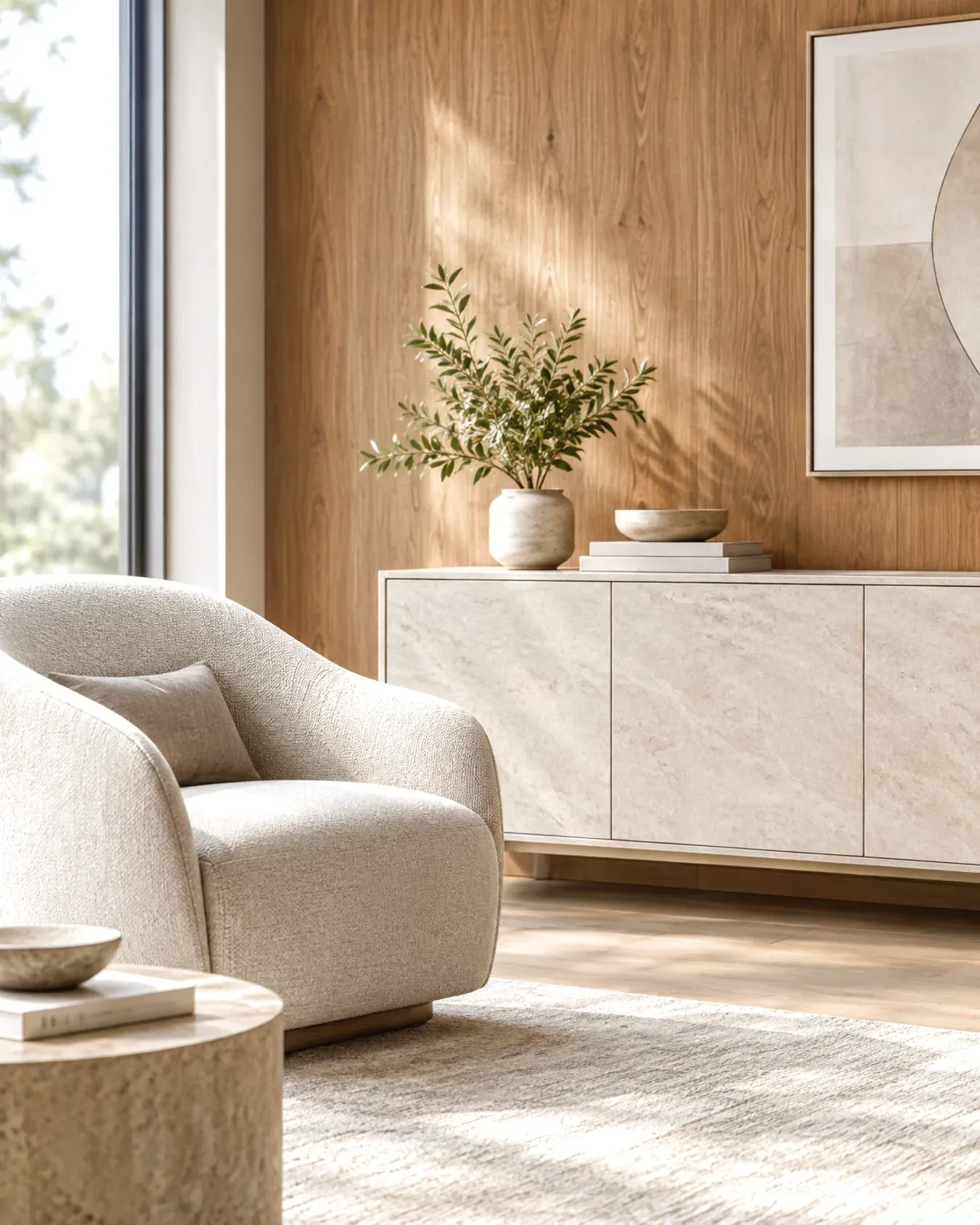
Wardrobe panels finished with warm natural wood textures recreate the look of real timber without removing existing furniture. Even worn or damaged desks or cabinetry can be transformed using decorative film, turning dated laminates into elegant stone, wood, or textile finishes.
This impacts both the renovation timeline and the budget. Applying surface film to worn or damaged areas is significantly more cost-effective than purchasing entirely new furniture.
Because installation happens directly on existing furniture, a room can be refreshed quickly without a long closure period.
Bathrooms: Refreshing Wet Zones Without Demolition
Bathrooms are typically the most disruptive spaces to renovate. Removing tiles or replacing vanity units creates noise, debris, and plumbing complications.
With adhesive film, installers can update these surfaces without demolition. Water-resistant and highly washable finishes can be applied over existing tiles, vanity cabinets, or decorative panels, instantly modernizing the space.
Stone textures can replace outdated tile colours, while mineral finishes create a softer spa-like feel around sinks and mirrors. At Hotel Mayorazgo in Madrid, bathroom walls were modernized using Cover Styl adhesive film with a **soft white marble finish**, allowing the hotel to brighten and update the space while avoiding the inconvenience and disruption of traditional construction work.
The result is a visually renewed bathroom achieved with minimal disruption.
Corridors and Common Areas
Corridors experience the highest wear in any hotel. Walls, skirting boards, and lift surrounds often show scratches or outdated finishes after years of use.
Wrapping these surfaces with textured films allows installers to introduce durable finishes without construction work in high-traffic areas. A warm natural wood grain can soften a long corridor, while subtle mineral textures add architectural depth under lighting.
Adhesive films are also an excellent option when the goal is simply to refresh a surface while maintaining the same material look and colour. Thanks to the wide range of colours and textures available, it is usually possible to find a finish that closely matches the existing surface.
Because installation is silent, these upgrades can happen during regular operational hours without disturbing guests in nearby rooms.
Reception and Restaurant Spaces
Public areas shape a hotel’s identity. Reception desks, lobby panels, bar counters, and restaurant seating all influence the first impression guests receive.
Decorative film allows these spaces to evolve quickly. A brushed metallic finish on a reception counter adds a refined sheen under lobby lighting. Leather textures applied to banquette panels create visual richness in restaurant seating areas, while stone-inspired surfaces elevate bar counters.
Many of these installations can be completed overnight, meaning guests return the next morning to a noticeably refreshed environment.
A Strategic Renovation Approach for Installers
For professional installers, hospitality renovation projects represent a major opportunity. The key is presenting renovation not as disruptive construction, but as silent transformation.
By proposing a room-by-room installation strategy, installers can demonstrate how a hotel can be upgraded gradually, floor by floor or corridor by corridor, without disturbing guests or reducing occupancy.
This operational flexibility is exactly what hotel managers need: interiors that evolve without interrupting the guest experience.
Adhesive surface film therefore becomes more than a decorative solution. In occupied hotels, it is a practical renovation strategy, delivering modern interiors quietly, efficiently, and without compromise.