


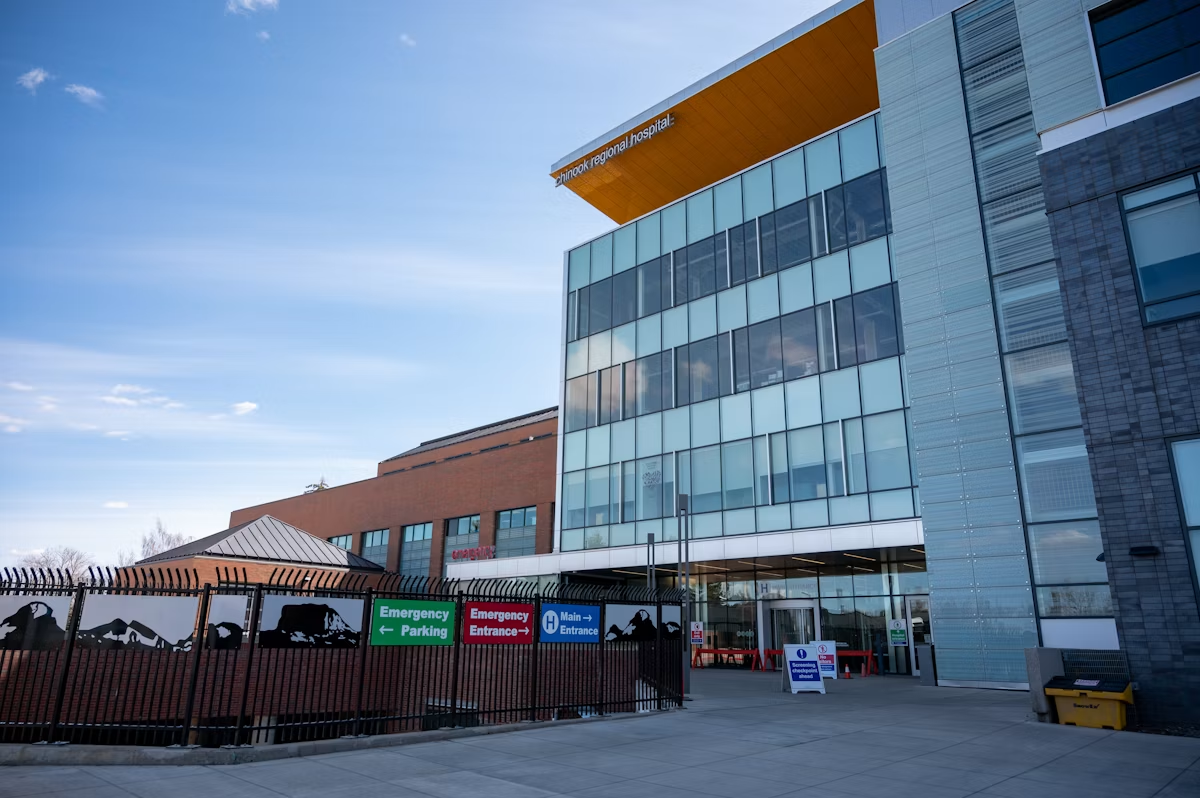
Why Traditional Renovation Is Problematic in Sensitive Sites
Traditional renovation methods often involve demolition, heavy machinery, and construction crews — all factors that create significant disruption in sensitive environments:
- Noise disruption: Hospital wards, classrooms, and reception areas cannot tolerate loud construction sounds, which can stress patients, students, or the public.
- Dust and hygiene risks: Dust and debris can compromise hygiene standards, particularly in healthcare facilities or food-handling areas.
- Service interruption: Schools may need to close classrooms, hospitals may temporarily relocate patients, and public offices may reduce services, impacting operations.
- Safety hazards: Construction zones pose risks for both workers and occupants, especially vulnerable populations such as children, elderly individuals, or patients.
- Stress for occupants: Frequent noise, limited access, and visible construction work can cause discomfort and anxiety.
For example, renovating a hospital corridor with traditional methods could require shutting down sections of wards, exposing patients to dust and noise, and delaying essential services. Similarly, updating classrooms during the school year might disrupt lessons or force temporary relocations.
What Does Renovation Without Construction Work Involve?
Renovation without construction work relies mostly on surface-based approaches to upgrade spaces without major demolition:
- Surface coverings: New panels, films, or coatings can be applied over existing walls, doors, counters, and furniture.
- Minimal demolition: Instead of removing old materials, surfaces are covered or refreshed, reducing waste and installation time.
- Faster installation: Prefabricated solutions or ready-to-install coverings allow projects to be completed in days instead of weeks.
- Reduced disruption: Noise, dust, and downtime are minimized, allowing operations to continue as usual.
This approach differs from traditional renovation by focusing on covering and enhancing existing elements rather than tearing out and replacing them entirely.
This method is not limited to renovation alone; it is also an effective way to give spaces a new and more appealing identity. It is particularly well suited for environments such as kindergartens, where interiors need to feel welcoming, creative, and engaging. Using surface renovation films makes it possible to refresh these spaces quickly and within a controlled budget, without disrupting daily activities.
Surface films can be of great use while decorating a kindergarten classroom making it easy, flexible, and full of opportunity for creativity and imagination. With a wide range of finishes available, including vibrant colours,textures, and decorative effects such as glitter, the creative possibilities are extensive.
Key Benefits for Healthcare, Education, and Public Buildings
Adopting renovation without heavy construction work offers multiple strategic advantages:
- Operational continuity: Facilities remain fully functional during renovations.
- Improved hygiene: Smooth, easy-to-clean surfaces reduce infection risks in hospitals and clinics.
- Reduced downtime: Projects finish faster, minimizing operational disruptions.
- Controlled budget: Surface-based solutions lower costs by reducing labor, material waste, and time.
- Sustainable renovation approach: Less demolition means less waste and environmental impact.
- Modern aesthetic upgrade: Existing spaces receive a fresh, contemporary look without complete rebuilds.
Practical applications include:
- Doors and walls: Apply films, panels, or laminates to improve durability and appearance.
- Elevators and counters: Refurbish high-touch areas with hygienic, low-maintenance surfaces.
- Furniture and built-in storage: Update classroom or office furnishings without removal or replacement.
For example, replacing an elevator solely to improve its visible appearance, repair damaged doors, or update interior finishes represents a significant financial and operational challenge. The cost of full replacement is substantial, and in environments such as hospitals, the operational impact can be even more critical. Taking elevators out of service for extended periods may require closing access to multiple floors, while demolition work generates noise and dust that are incompatible with sensitive healthcare settings. In situations like these, surface renovation solutions such as those presented in this elevator refurbishment project offer a far more practical alternative. Instead of complete replacement, existing elevator cabins can be upgraded with high-performance architectural surface coverings. The result is a refreshed, modern appearance that enhances aesthetics while also improving smoothness, cleanability, and hygiene standards — all achieved in just a few hours.
Choosing the Right Strategy for a Sensitive Environment
Selecting the most appropriate renovation approach requires careful consideration:
- Compliance requirements: Ensure materials meet fire, safety, and hygiene standards.
- Durability: Choose solutions that withstand daily use in high-traffic areas.
- Maintenance: Low-maintenance surfaces reduce long-term upkeep.
- Professional installation expertise: Certified installers ensure fast, safe, and efficient application.
- Fire and safety standards: Materials must meet regulatory guidelines for public and healthcare settings.
For decision-makers, prioritizing these factors ensures renovation projects are safe, efficient, and cost-effective while maintaining comfort for occupants.
Final Thoughts
Renovation without heavy construction is a strategic solution for sensitive environments where closure or disruption is not an option. By leveraging surface-based solutions, decision-makers can achieve modern, hygienic, and visually appealing spaces without noise, dust, or operational downtime.
Professionals managing healthcare facilities, schools, and public buildings can benefit from exploring professional renovation solutions and reviewing architectural surface coverings for other low-disruption applications.
Embracing these methods ensures that renovation projects remain safe, budget-friendly, and occupant-focused while delivering a contemporary upgrade that aligns with operational priorities.