Removing Adhesive Residue After Vinyl Wrap Removal: The Right Way
December 2, 2025Why Adhesive Residue Appears After Vinyl Wrap Removal
Vinyl films are built to stick firmly. Over time, heat, sunlight, and pressure push the glue deeper into the surface. When you pull off the wrap, part of that glue can stay behind.
Old wraps often leave more residue because the adhesive has dried out and hardened. Textured or porous surfaces, like open grain wood or rough paint, also hold on to glue more tightly.
Knowing why the glue is still there helps you choose the right residue cleaning methods for decorative films and avoid harsh tools.
Tools & Materials You’ll Need (Non-Branded)
You do not need anything fancy to remove vinyl adhesive safely. Gather:
- Soft microfiber cloths or cotton rags
- Plastic scraper or an old plastic card
- Warm water and a mild dish soap
- Isopropyl alcohol (rubbing alcohol)
- Heat gun on low setting, or a simple hairdryer
- Non-scratch sponge
These basics cover most adhesive residue removal tips for both DIY users and professionals. Avoid metal blades unless you are very sure the surface can handle them.
Step-by-Step Method for Removing Adhesive Residue
Here is a clear process for how to remove vinyl glue without stress.
Step 1: Warm the Area Gently
Warm the sticky spots with a hairdryer or heat gun on a low setting. Keep it moving and hold it a safe distance away. The goal is to soften the glue, not to blister paint.
Step 2: Soften the Adhesive
Mix warm water with a little mild soap. Dampen a cloth and press it over the residue for a few minutes. On many surfaces, this loosens light glue. For tougher spots, use a small amount of isopropyl alcohol on a cloth and dab the area. Test in a hidden corner first.
Step 3: Wipe or Scrape Correctly
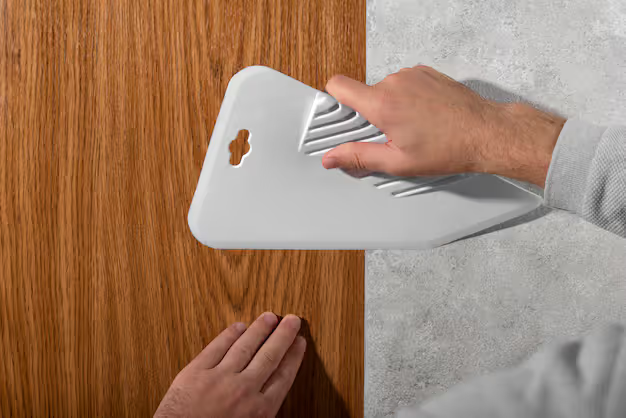
Use your plastic scraper or card to lift the softened glue. Work slowly and keep the tool flat so you do not dig into the material. Wipe away loosened bits with a clean cloth. Repeat the warm cloth and scraping cycle until the surface feels smooth.
Step 4: Final Cleaning and Drying
When most of the glue is gone, wipe the area again with warm soapy water. This helps clean sticky residue from vinyl wrap completely and removes leftover cleaner or alcohol. Dry with a soft cloth. If it still feels tacky, repeat a light pass with alcohol and wipe dry again.
If you want more adhesive residue removal tips and a clear guide to maintaining decorative vinyl surfaces, Cover Styl’s maintenance guide for vinyl-wrapped furniture shows how to keep films clean and in good condition after removal or reinstallation.
Surface-Specific Tips
Wood Surfaces
Be gentle on real wood and wood veneer. Avoid soaking the surface. Use lightly damp cloths so moisture does not seep into the grain.
Painted Finishes
On painted doors, walls, or furniture, patch-test alcohol and heat. Use low heat only. If paint starts to soften or shine changes, stop and switch to milder residue cleaning methods for decorative films, like warm soapy water and careful scraping.
Glossy or Sensitive Surfaces
High gloss panels, laminates, and some plastics scratch easily. Skip rough sponges and metal tools. Stick with soft cloths, your plastic card, and slow passes instead of force.
What to Avoid
- Do not rush and yank at stubborn glue.
- Do not use harsh solvents unless you understand the material.
- Do not scrape with metal on soft or painted surfaces.
How to Prevent Adhesive Issues in Future Projects
You can save effort next time by planning ahead. During installation, follow expert advice for surface preparation and cleaning so the vinyl bonds well but evenly.
When it is time to remove vinyl adhesive in a future refresh, warm the wrap first and peel it back slowly at a low angle. This keeps more glue attached to the film instead of the surface. For new design projects, explore high-quality vinyl wrap solutions from Cover Styl, including premium architectural film collections that are designed for both beauty and easier maintenance.
Conclusion
Removing adhesive residue after vinyl wrap removal does not have to feel risky. You stay in full control again.
Start with mild steps, test in hidden spots, and work slowly. Use the steps in this guide whenever you need to clean sticky residue from vinyl wrap on future projects.
Want smoother results next time? Explore Cover Styl’s advanced decorative film ranges, crafted to perform beautifully on tricky surfaces and give your projects a clean, flawless finish every time.