Mixing Wood Finishes: How to Combine Different Shades Without Clashing
December 10, 2025Why Mixing Wood Finishes Can Feel Messy at First
The moment you start looking closely at wood, you can notice how strongly each finish can pull the room in its own direction. A deep walnut tone carries warmth that can feel almost heavy next to a cool ash shade that leans gray.
So, when these, let’s say, extremes sit side by side without a connecting element, the eye jumps between them and loses its sense of rest. That’s why matching wood finishes isn’t really about making everything identical, but about helping the viewer’s eye travel through the room without stumbling.
Another thing people easily notice is how grain patterns can cause the same kind of visual noise. A bold, wide grain next to a subtle, fine grain can create a strange imbalance if the rest of the room doesn’t echo that energy somewhere else.
Once this statement is pointed out, people usually say they knew something was off but couldn’t quite place what it was. This is the kind of detail that makes interior design wood shades so compelling, because even small shifts in grain or gloss can change the harmony of the space.
Understanding Warm and Cool Undertones Before You Mix Anything
Many of you often find yourselves going back to undertones because they’re the backbone of wood color harmony.
Warm woods pull toward yellow, red, or even orange; cool woods drift into gray or muted brown; and neutral woods sit somewhere in between without calling too much attention to their temperature.
When our team from CoverStyl works on a space, our goal is usually to start by identifying the dominant tone. Once we do that, it’s much easier to decide which additional woods will feel like part of the same family.
So, warm undertones usually work beautifully with other warm shades, but we’ve seen calm, grounded interiors that mix warm and cool woods intentionally, using contrast to add depth. What can help you here is treating one tone as the “anchor” and letting the other tones orbit around it.
If you’ve ever felt a room was close to working but something kept distracting you, it might’ve been as simple as two competing undertones that weren’t getting along.
Using Neutrals to Tie Mixed Woods Together
Many of us often rely on neutrals when it comes to walls, textiles, and décor because the idea here is to soften the transitions between different wood tones.
Yes, a neutral rug can break the tension between a warm wood floor and a cool-toned table, and soft textiles can calm strong grains. Even a matte painted wall can help the eye reset before jumping from one wood tone to another.
This is especially useful in spaces like kitchens or commercial interiors, where there are more fixed surfaces and fewer opportunities to shift tones around later.
Practical Examples: Where Mixed Wood Finishes Really Shine
In kitchens, people really love to combine open shelving in a lighter wood with deeper, richer tones on lower cabinets, because of their look. This mix can bring personality without disturbing the flow of the room.
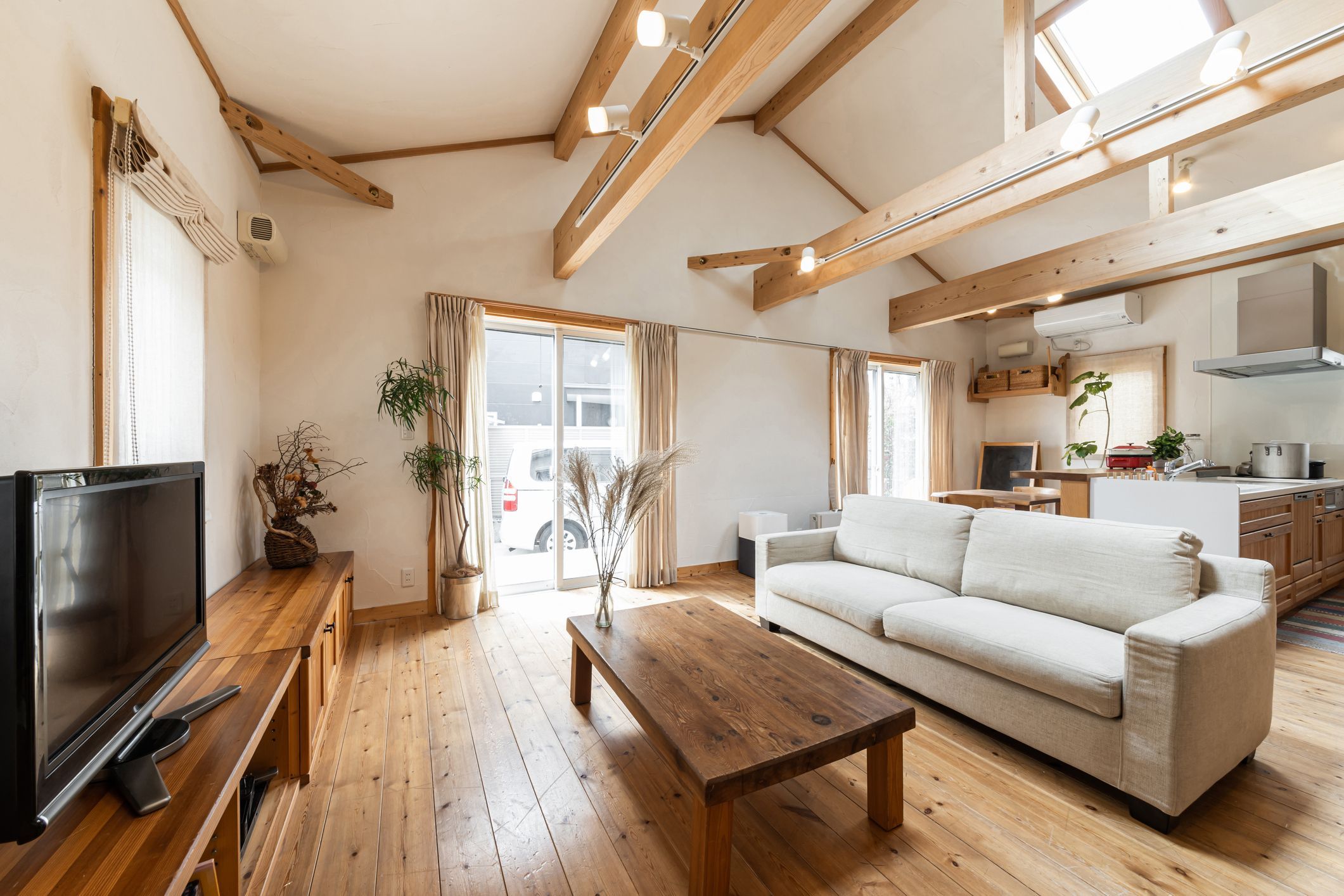
In living rooms, on the other hand, a darker coffee table can look beautiful against lighter flooring when the décor includes small accents such as frames, baskets, or textiles that echo one of the chosen tones.
Commercial interiors are well known for using mixed woods to divide areas gently without adding walls. Lighter tones near seating zones and darker tones near service areas create a natural sense of structure and comfort.
Whenever projects involve renovation or quick restyling, decorative wood textures and adhesive coverings become an easy way to adjust tones without replacing full pieces of furniture.
We also often reference design tips for harmonious material combinations to help our clients think through these ideas step by step:
design tips for harmonious material combinations
Why Cover Styl Wood Solutions Fit Naturally Into Mixed-Tone Projects
As mentioned throughout this article, a lot of mixed wood interiors need flexibility, because once you start combining tones, you might realize that one surface throws off the whole composition, and that’s where decorative films for interior transformation become helpful.
They’ll let designers, homeowners, or professionals shift undertones or grain intensity without reworking the entire room.
Since the wood-effect decorative films collection includes warm and cool options, subtle grains, bold grains, and a mix of gloss levels, it becomes much easier to set an anchor tone and build around it. The finishes behave predictably, which makes the design process feel smoother even when working with multiple shades at once.