


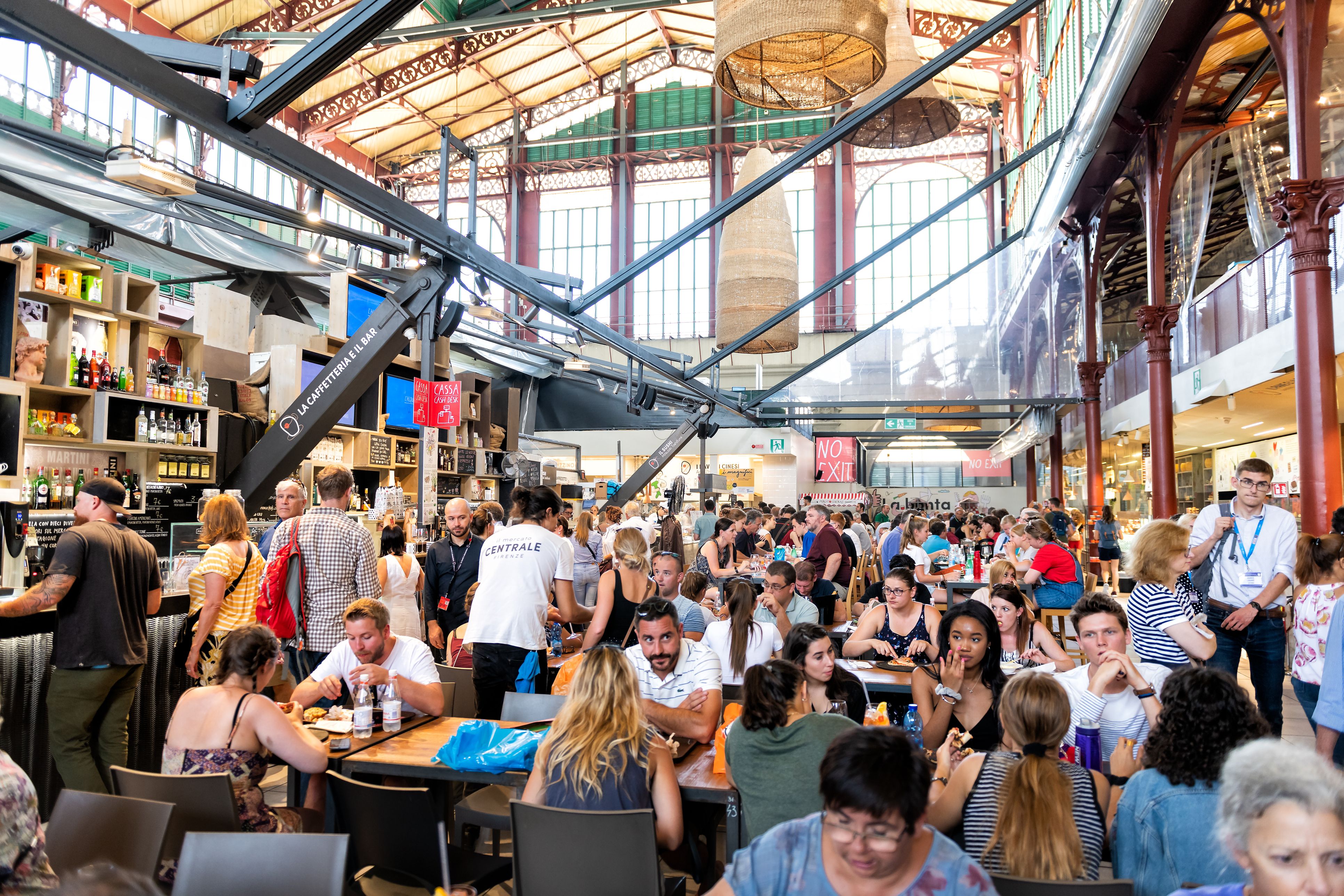
Why Choose Vinyl Wrap for Restaurants?
Vinyl wrap is an excellent choice for high-traffic restaurant environments due to its:
- Durability – Resistant to scratches, stains, and daily wear.
- Easy Maintenance – Simple to clean, making it ideal for hygiene-sensitive areas.
- Aesthetic Flexibility – Available in a wide range of colors, textures, and finishes.
- Cost-Effectiveness – More affordable than replacing furniture or surfaces.
- Quick Application – Minimal downtime for businesses compared to renovations.
Step 1: Surface Preparation – The Key to Adhesion
A well-prepared surface ensures strong adhesion and a long-lasting finish. Follow these essential steps before application:
1.1 Thorough Cleaning
- Degrease the surface using isopropyl alcohol (IPA 70%) or a professional degreaser.
- Avoid ammonia-based cleaners, as they leave residues that weaken adhesion.
- In kitchen areas, use an antibacterial cleaner to remove food residue and grease buildup.
1.2 Sanding and Smoothing
- If the surface is slightly textured or damaged, lightly sand it with 320-400 grit sandpaper to create a smooth base.
- Wipe away all dust with a tack cloth before proceeding.
1.3 Surface Temperature Check
- Ideal application temperature: between 18-25°C (64-77°F).
- If the surface is too cold, use a heat gun to slightly warm it up for better adhesion.
Pro tip: For heavily used areas like bar counters, apply a vinyl adhesion promoter on edges and corners to prevent peeling over time.
Step 2: Choosing the Right Vinyl for High-Traffic Areas
Not all vinyl wraps are suited for intense use. Consider these factors:
- Thickness:200-300 microns for durability in high-wear zones.
- Adhesion Strength: High-tack adhesive is recommended for rough or porous surfaces.
Finish Type:
- Matte & textured finishes hide fingerprints and scratches better than gloss.
- Anti-fingerprint and antibacterial coatings are ideal for food contact surfaces.
- Heat & Chemical Resistance: Use high-temperature resistant vinyl for kitchen areas.
Pro tip: Always test a small sample of vinyl on the surface before full application to ensure compatibility.
Step 3: Installation Techniques for a Long-Lasting Application
To achieve a professional, bubble-free finish, follow these expert techniques:
3.1 Measuring and Cutting with Precision
- Use a T-square ruler and precision cutter for perfectly straight cuts.
- Leave a 5-10mm overlap at the edges to trim after application for a seamless fit.
- For curved edges, cut small relief slits to prevent tension and lifting.
3.2 Dry vs. Wet Application – Choosing the Right Method
Dry Application – Recommended for flat surfaces like tables and doors.
- Use controlled pressure with a squeegee to eliminate air bubbles.
Wet Application – Useful for large or curved areas where repositioning is needed.
- Spray a light mist of water + a few drops of dish soap on the surface.
- Slide the vinyl into position and use a squeegee to push out excess water.
Pro tip:Use a felt-edge squeegee to avoid scratching the vinyl during application.
3.3 Heat & Pressure for Maximum Adhesion
- Use a heat gun (90-120°C / 194-248°F) to soften the vinyl and conform it to edges and corners.
- Stretch the material slightly while applying heat, but avoid over-stretching to prevent shrinking over time.
- Apply firm pressure on edges and corners to ensure strong adhesion.
Pro tip: For corners and edges, heat the vinyl slightly and wrap it around for better adhesion and no lifting.
Step 4: Post-Installation Finishing & Sealing
To ensure longevity, finalize the installation with these finishing steps:
- Trim Excess Material Precisely – Use a sharp blade to trim cleanly along the edges.
- Reheat and Press Down Seams – Pass the heat gun lightly over seams and edges to reinforce adhesion.
- Edge Sealing for Extra Protection – Apply a vinyl edge sealer on high-wear zones.
Pro tip: If applying vinyl on tables or bar tops, consider adding a clear protective laminate for extra resistance.
Step 5: Maintenance and Longevity
Proper care extends the lifespan of the vinyl wrap:
- Daily Cleaning – Use a mild soap solution and a microfiber cloth to clean without damaging the material.
- Avoid Harsh Chemicals – No acetone, ammonia, or abrasive sponges.
- Periodic Inspection – Check edges and corners monthly; reheat any lifting sections.
- Use Coasters & Mats – For tabletops, protect against hot plates and heavy impacts.
Pro tip: For greasy surfaces, use citrus-based cleaners to remove stubborn residue without damaging the vinyl.
Common Mistakes to Avoid
Skipping Surface Prep – Dirt, grease, or dust will cause peeling.
Using Low-Quality Vinyl – Cheap materials crack and lift under heavy use.
Overstretching the Vinyl – Leads to thin, weak areas prone to tearing.
Not Applying Enough Heat – Edges may lift if not properly heated and pressed.
Conclusion
Vinyl wrap is a game-changer for high-traffic restaurant surfaces, offering durability, easy maintenance, and an upgraded look at a fraction of the cost of replacements. By selecting the right vinyl, preparing surfaces meticulously, and applying with professional techniques, you can achieve a seamless and long-lasting finish.
For high-quality vinyl wraps designed for demanding environments, explore Cover Styl’s professional range—trusted by installers worldwide.