How Lighting Affects Vinyl Wrap Finishes and Colours
December 10, 2025Why Lighting Matters in Vinyl Wrap Selection
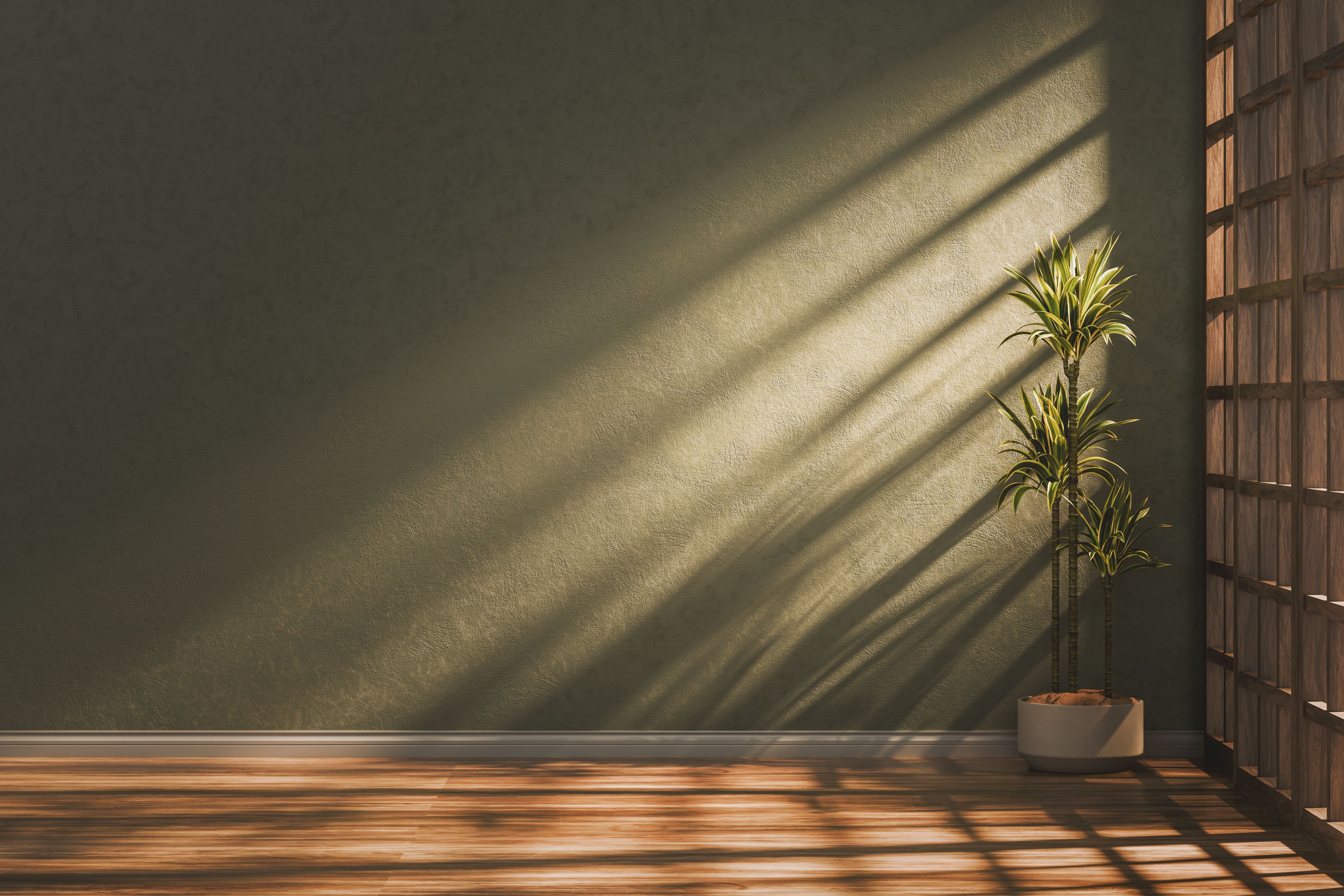
Vinyl wraps come in varied textures, which makes them sensitive to light reflecting off them. For instance, a flat paint reflects light uniformly, but architectural vinyl often mimics complex materials like wood grain, stone, or fabric. These decorative vinyl textures have peaks and valleys that catch light differently depending on the angle and intensity of the source.
As a result, the “actual” colour of lighting interior finishes is shifting constantly based on the environment it is placed in. That’s why it might look charcoal gray in the morning and nearly black at nightfall.
Natural vs. Artificial Light: What Changes?
The natural vs artificial lighting effect is of utmost consideration.
Natural light is full-spectrum and generally renders colours most accurately, with differences throughout the day. Morning sunlight tends to be cooler and brighter, often making blues and whites look crisp. By contrast, late afternoon sun casts a warm, yellow glow that can turn a beige wrap into a rich gold or make a grey wrap look muddy.
As for artificial lighting, there are a few options:
- LEDs: These are versatile and vary from a greenish tint to mimicking daylight.
- Halogen: Known for a warm, incandescent glow that tends to make colours pop but can yellow lighter surfaces.
- Fluorescent: Often found in commercial offices, these emit a cool, blueish-green light that can make warm wood wraps look sterile or washed out.
How Light Temperature Affects Colour Perception
Measured in Kelvins (K), the so-called temperature of your lighting acts like a filter to your vinyl wrap colour perception.
Warm light operates in the 2700K - 3000K range, which is the yellowish light found in most living rooms. It naturally enhances red, orange, and yellow tones, and is slightly warmer at 2700K with more yellow/gold components than at 3000K.
Hence, if you’re going for a rich wood grain vinyl, warm lighting will make the space more inviting by bringing out the honey and amber undertones. On the other hand, it can make crisp whites look cream or yellow.
Cool light in the 4000K - 5000K range is bright and crisp, with 4000K providing a more balanced neutral white and 5000K a more intense, daylight-like blue-white. It’s a great fit for modern, industrial styles. Concrete and stone vinyls thrive here, as the cool light emphasizes their grey and blue undertones, keeping them looking sharp and clean.
Impact of Finish Types Under Different Lighting
Depending on whether the vinyl finish is matte, gloss, textured, or metallic, how lighting affects vinyl wrap finishes changes drastically.
- Gloss: These finishes are highly reflective. In a room with many windows or bright downlights, a gloss vinyl will act almost like a mirror, bouncing light around the room. While this is one of the tips to make a small space feel larger, it will also highlight every fingerprint and imperfection if the lighting is too harsh (e.g., direct spotlighting).
- Matte: Matte surfaces absorb light rather than reflecting it, which creates a soft, sophisticated look that hides imperfections well. That said, in a dimly lit room, matte black or dark grey can completely disappear into the shadows, making the space feel smaller.
- Textured: When light hits wood grains, leather effects, and fabric patterns from an angle (raking light), it highlights the depth of the texture. Flat, direct lighting can wash this effect out, making the wrap look 2D rather than 3D.
- Metallic: Containing reflective particles that shimmer, these finishes require direct light sources to have the desired effect. Without proper lighting, a metallic gold wrap may just look like a flat mustard yellow.
How to Test and Choose the Right Vinyl Finish
Making the right choice means testing the physical sample in the actual space. There are a few ways to do this, one being taping the sample vertically to the surface you intend to cover. Light hits vertical and horizontal surfaces differently, so simply laying the sample flat won’t provide the full picture.
You can also leave the sample in position for 24 hours to see it at different times of day (and night). This will give you a sense of whether the colour shifts the way you like.
For wood or brushed metal vinyls, try rotating the sample 90 degrees. The direction of the grain relative to the window can dramatically alter how much light is caught or absorbed.
Practical Recommendations for Homes and Commercial Spaces
Not every space is the same, so you’ll need different strategies.
For kitchens and retail that are typically high-activity areas requiring bright lighting (often 4000K), you can use darker or matte finishes. The abundance of artificial light prevents them from looking gloomy.
Living rooms and lobbies generally rely on warmer, ambient lighting (3000K). Warm wood wraps or textured fabrics work quite nicely here.
If spaces like dark hallways have limited natural light, it’s best to steer clear of dark, light-absorbing matte wraps. Instead, go for lighter colours that can help bounce what little light exists, thus brightening the area.
Make Light Your Design Partner
Simply put, factoring in how lighting affects vinyl wrap finishes makes sure that the final result matches your vision. It can dramatically shape how vinyl wraps look and feel within a space, so make it your mission to test samples under and see how colours change under different lights to understand the relation between texture and lumens.
In the meantime, be sure to explore our case studies showcasing how different lighting setups transformed real interiors for some inspiration - it just might be the spark you need to get your creative juices flowing.