How to Choose the Right Wood Grain Pattern for Your Interior
November 26, 2025Understanding Wood Grain Basics
Wood grains vary widely, and understanding these variations is the foundation of any good selection process. For example, straight grains can create an orderly, calm appearance that works well in modern interiors because their uniform lines feel clean and structured.
On the other hand, fine grains offer even more subtlety and often suit minimalist spaces where visual noise must be reduced.
Wavy or flowing grains introduce movement and help soften rigid architecture, making them a popular choice for lounge areas or bedrooms where you want a gentle, warm atmosphere.
Knotty grains add character through visible knots and irregularities, so they fit rustic, country, or casual spaces where the goal is to make the room feel relaxed and lived-in.
More pronounced or textured grains can sit somewhere in between because they can work well in contemporary interiors that need a touch of depth without leaning too far into rustic style.
Matching Wood Grain Patterns to Interior Style
As mentioned, each interior style responds differently to wood grains, and aligning grain type with your chosen aesthetic is essential.
This all depends on your room interior. In modern minimalist spaces, straight or fine grains usually perform best because they echo the simplicity of the overall design. Their subtle direction avoids distraction and reinforces clean-lined furniture. Scandinavian spaces often benefit from light grains with gentle patterns that reflect natural brightness and support the airy atmosphere typical of Nordic design.
Industrial interiors, which often incorporate concrete, metal, or darker color palettes, look more cohesive when paired with deeper, more textured wood grains. These woods add warmth without softening the industrial character.
Cozy, rustic, or traditional rooms can embrace knotty or strongly patterned grains because pronounced textures enhance the sense of comfort and add authenticity to the space.
Choosing the Correct Tone: Light, Medium, or Dark Wood
Tone has a powerful impact on how wood appears once installed. Light tones naturally brighten rooms, so choosing them is especially helpful in small interiors, narrow hallways, or areas with limited natural light. These tones can make a tight space feel more open and calm, and they work well with cool materials such as concrete or stone.
Medium-toned woods offer the most balanced appearance and are often used when designers want a natural, approachable look. They adapt easily to a variety of color palettes and work well in almost any style, from modern to transitional.
Last but not least important is dark woods, as they can create a sense of depth and luxury.
They are especially effective in larger rooms where the darker grain will not overpower the space. Darker tones can also serve as elegant contrasts in bright rooms or against light-colored walls.
Grain Direction and Its Visual Impact
Grain direction will influence spatial perception in subtle but meaningful ways. Vertical grain lines can make a room appear taller, so they are often used on wall panels or wardrobe doors when you want to introduce a sense of height.
Horizontal grains visually widen a space, which is helpful in narrow rooms or long corridors.
Consistency matters as well. When several pieces of furniture sit close to one another, matching grain direction helps the room feel unified.
For example, let’s take a look at cabinet doors. Cabinet doors with some horizontal grain lines can appear more intentional when they align with the grain on nearby shelves or accent panels.
So, if you plan to use different grains in the same room, repeating the same direction at least twice helps the space feel coordinated rather than accidental.
How to Combine Wood Grains with Other Materials
Combining wood with materials such as concrete, stone, metal, or fabric can add some richness to a room, but the grain pattern must support all the materials around it.
Light grains can pair well with concrete or brushed metal because their simplicity balances the cool, industrial surfaces. But, on the other hand, some medium grains can complement stone finishes or textured walls because they offer enough warmth without overwhelming the existing structure.
Darker or stronger grains work especially well with soft materials like linen, wool, or leather, since these textures help soften the visual weight of the wood. When mixing warm and cool materials, aim for an apparent harmony in tone.
A cool-toned stone or concrete surface will look more coordinated when matched with wood that carries a similar undertone rather than one that leans orange or red.
If you want practical advice on mixing multiple textures in the same space, our blog offers an in-depth guide to modern interior materials and finishes, which can help you refine your combinations further.
To learn more about choosing between wood-effect paint and adhesive film, check out our detailed guide.
Using Vinyl Finishes to Achieve the Perfect Wood Look
Architectural vinyl is a type of vinyl wrap that can provide an accessible and realistic alternative when you want wood-effect surfaces without the maintenance or cost of real wood.
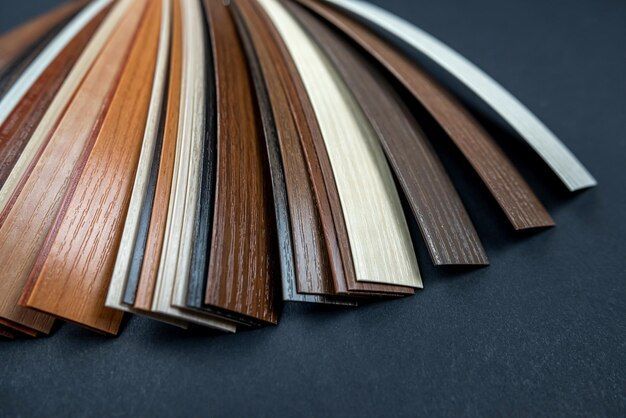
Wood-effect vinyl collections come in various grain patterns, from fine and straight to bold and rustic, along with a broad spectrum of tones. These finishes allow you to match furniture, walls, and doors consistently, which can be more difficult with natural wood due to natural variation.
Vinyl wraps are also ideal for renovation projects because they install quickly, work on curved or detailed surfaces, and they can offer a uniform appearance that helps achieve design continuity. If you want to explore available options, take a look at our wood-effect vinyl collections for interior design, where you can find finishes suitable for both modern and traditional spaces.
For a broader range of textures, our catalog offers premium architectural films in realistic wood finishes designed for high-performance use in homes and commercial environments.
Conclusion
So, when it comes to choosing the right wood grain pattern, you need to understand how tone, texture, and direction influence the overall mood of the room.
By selecting a grain that complements your interior style, paying attention to lighting and proportions, and considering vinyl solutions when you need durable or customizable finishes, you can create a space that feels cohesive, warm, and visually aligned with your design goals.
For more inspiration and project ideas, explore our wood vinyl wrap collection that helps you find the perfect wrap that will cover your interior design.