

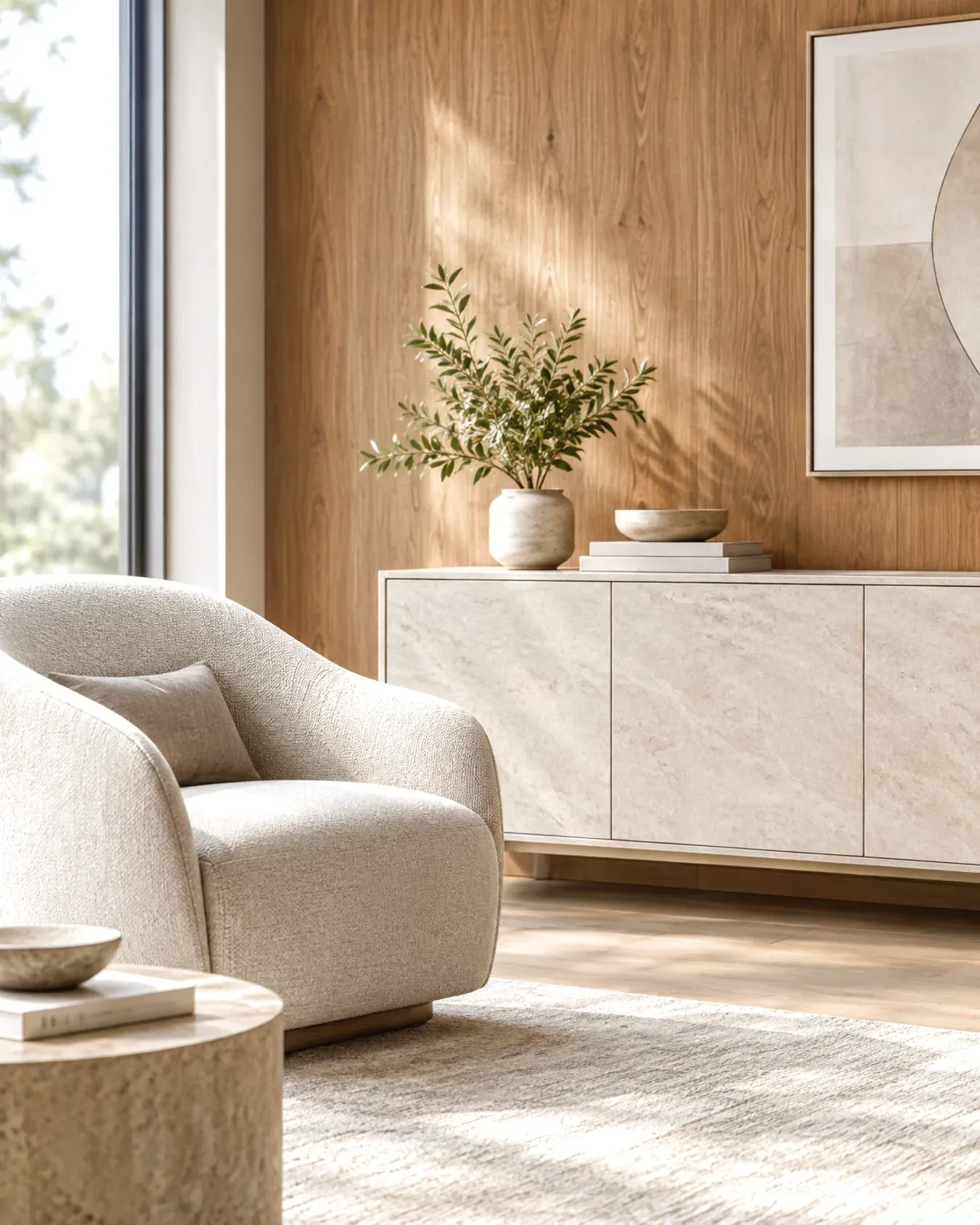
Traditional Renovation vs. Renovation Without Construction
Traditional renovation is designed for empty or partially emptied spaces and relies on demolition, replacement, and structural, deeper intervention.
Renovation without construction operates under opposite conditions: furniture remains in place, rooms stay in use, and work is limited to accessible surfaces. As a result, the scope shifts from rebuilding to upgrading, prioritizing cleanliness, speed, and selective intervention.
Rethinking Renovation as a Surface-Based Process
When nothing can be moved, renovation becomes a matter of working with existing surfaces rather than replacing them. Surface renovation focuses on updating visible elements without altering what lies beneath. This approach allows interiors to be refreshed while maintaining full use of the home.
Surface-based solutions are particularly effective because they can be applied selectively, room by room, without requiring furniture removal, often requiring only minor relocation and moving or extended downtime.
Key Areas Where Non-Invasive Renovation Works Best
Walls and Vertical Surfaces
Walls often shape the visual identity of a space, yet repainting them in a furnished home can be inconvenient and disruptive. It typically involves dust and dirt, extensive covering of furniture, the risk of accidental damage, and a significant amount of preparation beforehand as well as cleanup afterward. Non-invasive surface materials allow walls to be refreshed without sanding, priming, or relocating furniture. Installation is clean and controlled, making it suitable for occupied rooms.
Kitchens Without Dismantling Cabinets
Kitchen renovation is typically associated with heavy construction, but in a furnished home this is rarely feasible. Instead of replacing cabinetry, surface renovation can update:
- Cabinet fronts
- Worktops
- Splashbacks
This makes it possible to renovate a kitchen without moving furniture or appliances, while keeping the space functional throughout the process.
Bathrooms Without Demolition
Bathrooms are among the most challenging rooms to renovate traditionally. Surface renovation solutions allow tiles, vanity units, and wall panels to be updated without demolition, avoiding dust and long periods without access to essential facilities.
Materials such as terrazzo are currently very popular in modern interior design and add great style to bathroom design. To compare, it takes about 7 to 10 days to prepare and install traditional poured-in-place terrazzo. It also takes full renovation, reinstalment of current materials and bathroom units. However, installing this terrazzo surface film for your entire bathroom will only take a few hours.
Furniture and Fixed Elements
When furniture cannot be moved, it can often be renovated in place. Wardrobes, doors, shelving, and built-in units can be refreshed using surface treatments, extending their lifespan while aligning them with a new interior style.
Changing parts like the surface, cabinet handles, legs, hinges, and edge banding is always a great option to freshen up your furniture’s look.
Also, sometimes we think that slightly damaged wooden furniture requires throwing out the whole unit, but the truth is, any furniture can be easily saved with the right materials and procedure.
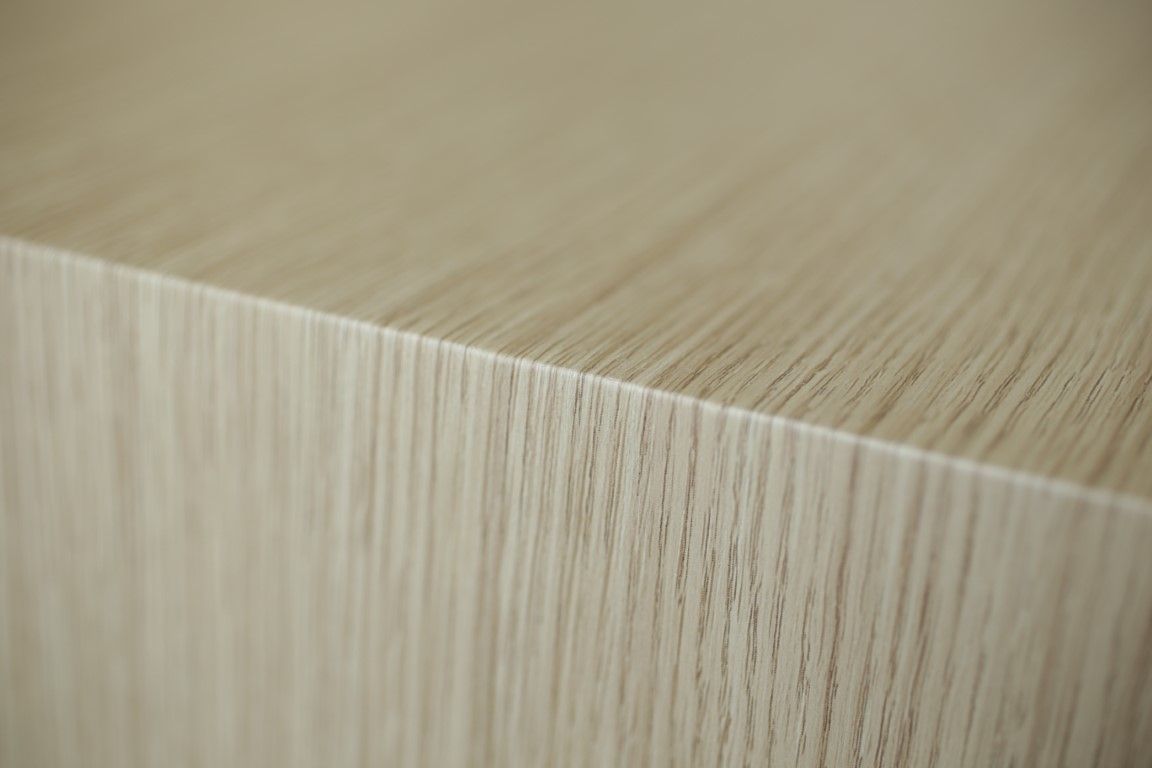
The shown surface is an example of how easily a wooden element was saved in hotel renovation for Radisson Blu.
Do You Need an Architectural or Design Professional?
In general, renovation without construction does not make professional involvement obligatory, as no structural or layout changes are involved. However, working with an interior designer can be beneficial when coordinating surfaces, materials, and finishes across a furnished space. This is why non-invasive renovation solutions are often implemented in collaboration with design professionals.
How interior designers work with Cover Styl solutions
Planning a Renovation When Nothing Can Be Moved
Successful renovation without construction depends on planning and prioritization. A practical approach includes:
- Identifying the most visually impactful surfaces
- Selecting materials designed for occupied environments
- Working progressively rather than all at once
This strategy reduces disruption while ensuring consistent results across different areas of the home.
Temporary Interior Renovation for Flexible Living Situations
Temporary interior renovation is particularly relevant for tenants or short-term occupants. Surface-based solutions allow interiors to be refreshed without permanent alterations, making them suitable for rented or transitional spaces where reversibility is important.
Renovation Adapted to Real-Life Constraints
Renovating without construction in a fully furnished home is not about settling for less, but about choosing methods that respect real-life constraints. By focusing on surface renovation and non-invasive solutions, it becomes possible to update interiors efficiently while maintaining comfort and functionality throughout the process.