

Renovating a Room Without Windows
June 6, 2026The Main Challenges of a Windowless Room
Rooms without windows tend to share several common issues that affect both comfort and usability:
- Lack of natural light, making the space feel darker and less inviting
- Reduced sense of space, especially in small or narrow rooms
- Humidity concerns, particularly in bathrooms or basements
- Psychological discomfort, as darker spaces can feel enclosed or confined
These challenges are not structural problems but design-related ones. Addressing them through surface choices, lighting strategies, and layout adjustments can dramatically improve the overall experience of the room.
How to Bring Light Into a Windowless Room
When natural light is unavailable, artificial lighting and surface finishes play a critical role.
Use Layered Lighting
Relying on a single ceiling light often creates harsh shadows. A better approach combines:
- General lighting for overall brightness
- Accent lighting to highlight walls or textures
- Integrated LED strips for indirect illumination
This layered strategy distributes light more evenly and reduces the feeling of enclosure.
Choose Light-Enhancing Surfaces
Surface finishes significantly influence how light behaves in a room. Light-colored and reflective materials help bounce light throughout the space, increasing perceived brightness. Satin or lightly glossy finishes are particularly effective, as they reflect light without creating glare.
Covering existing walls, doors, or built-in furniture with light-toned architectural surface finishes is a practical way to enhance luminosity without structural changes.
Using the right combination of lighting and materials can significantly improve the quality of a space. The wide variety of colors and surface finishes available makes it easier to find a suitable solution, but when brightness is a priority, lighter surfaces with subtle decoration are often the most effective choice.
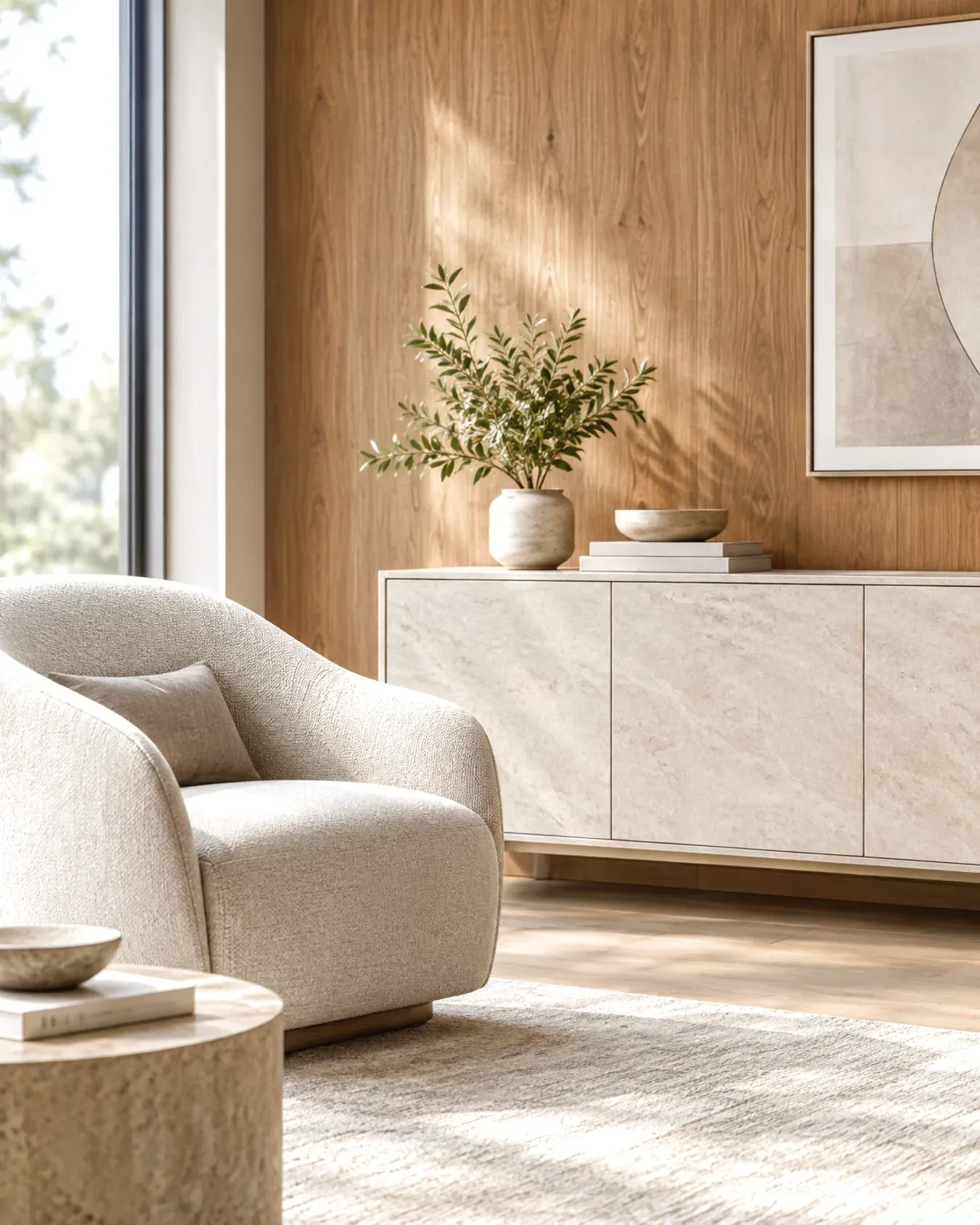
Finishes such as this stone surface finish that combine a refined texture with a bright, slightly glossy appearance help reflect light evenly, enhancing the sense of openness while maintaining a clean and elegant look.
Managing Humidity in Windowless Spaces
Humidity concerns are especially common in bathrooms and basements, where moisture buildup can lead to mold growth, peeling paint, or deterioration of traditional materials.
In these environments, selecting finishes that are resistant to moisture is essential for maintaining both durability and hygiene. Instead of relying on conventional paint or porous materials, surface solutions designed specifically for humid conditions can provide long-lasting performance while preserving a clean and modern appearance.
Choosing the right materials helps protect existing structures and ensures that the renovation remains both practical and visually consistent over time.
For more detailed guidance on suitable materials, explore our insights on the best adhesive vinyl wraps for humid environments.
Creating Depth and a Sense of Space
Beyond brightness, spatial perception is key in a windowless room.
Use Vertical Lines and Subtle Textures
Vertical patterns or finishes visually raise ceiling height, while subtle textures add interest without overwhelming the space. Avoid heavy contrasts that break continuity or create visual clutter.
Introduce Mirror Effects and Reflective Elements
Mirrored or reflective surfaces can simulate depth by reflecting light and surrounding elements. Even small reflective areas on cabinet fronts or wall sections can significantly improve spatial perception.
Add Warmth Without Darkening
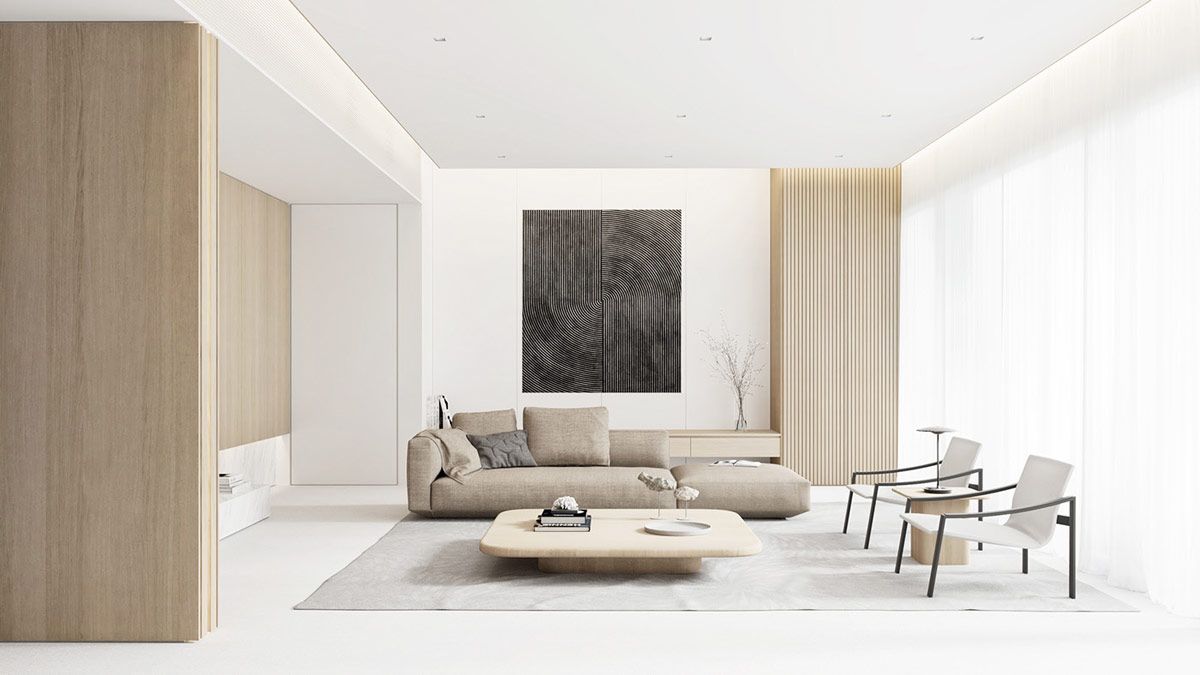
While light colors are essential, warmth should not be overlooked. Soft wood or mineral-inspired finishes in light tones help balance brightness with comfort, preventing the room from feeling sterile.
Renovating Without Heavy Construction
One of the most effective ways to renovate a room without windows is to avoid demolition altogether. Renovation without heavy construction focuses on upgrading existing surfaces rather than replacing them.
Modern architectural surface coverings allow:
- Walls to be refreshed without replastering
- Doors and storage units to be modernized without removal
- Built-in furniture to be visually upgraded in place
This approach results in a faster, cleaner renovation process with minimal disruption, especially valuable for small interior rooms that are frequently used.
Final Thoughts
A room without windows does not have to feel dark, confined, or outdated. With the right renovation strategy, focused on lighting, color balance, and surface transformation, it can become a bright, welcoming, and highly functional space.
By prioritizing light-enhancing materials and choosing renovation methods that avoid heavy construction, homeowners and professionals alike can achieve impactful results efficiently.
To explore additional ideas and materials, reviewing architectural surface finishes and related interior design content can help turn design constraints into creative opportunities.