

Adhesive Coatings and Finishes: Glues, Varnish vs Lacquer Explained
June 6, 2026What Are Adhesive Coatings and Finishes?
Adhesive coatings and finishes refer to surface systems that combine:
-A decorative or functional surface layer
-An adhesive bonding system -A protective finishing layer (when applicable)
These systems are widely used in interior renovation finishes where upgrading existing substrates is preferred over full replacement. They allow surfaces such as doors, walls, furniture, or panels to be refreshed efficiently while maintaining structural integrity.
However, performance depends on many factors. Adhesion strength and protective finishing directly influence long-term results and their appearance.
The Role of Glues in Adhesive Bonding Systems
Glues are responsible for attaching the surface material to the substrate. In adhesive bonding systems, the glue determines:
- Initial bonding strength
- Resistance to peeling or lifting
- Stability under temperature variation
- Long-term dimensional performance
A high-quality glue for surface coatings must be compatible with both the substrate (wood, metal, MDF, laminate, etc.) and the decorative layer.
Why Adhesion Quality Matters
Poor adhesion leads to:
- Edge lifting
- Surface bubbling
- Delamination
- Reduced durability in high-traffic areas
Even the most resistant decorative surface cannot perform properly if the bonding system is weak. Adhesion is the foundation of surface durability solutions.
When specifying adhesive coatings and finishes, it is important to evaluate the substrate condition, environmental exposure, and expected use level before selecting the bonding system.
Varnish vs Lacquer: Understanding the Differences
While glues ensure attachment, varnishes and lacquers serve as protective finishes for interior surfaces. Although often confused, they differ in composition and performance characteristics.
Varnish
Varnish typically provides:
- Transparent protective coating
- Enhanced resistance to moisture and abrasion
- Slightly flexible protective layer
- A range of sheen levels
It is commonly used when the natural appearance of a surface needs to remain visible while adding durability.
Lacquer
Lacquer usually offers:
- Harder surface finish
- Smooth and uniform appearance
- Faster curing times
- High resistance to wear
It is often chosen for projects requiring a refined aesthetic and enhanced scratch resistance.
Understanding varnish vs lacquer differences helps professionals choose the appropriate protective system depending on usage conditions and desired visual effect.
Protective vs Decorative Finishing Systems
In adhesive coatings and finishes, the decorative layer provides visual transformation, while the protective finish enhances resistance.
Protective finishes improve:
- Scratch resistance
- Impact resistance
- UV stability
- Chemical resistance
- Cleanability
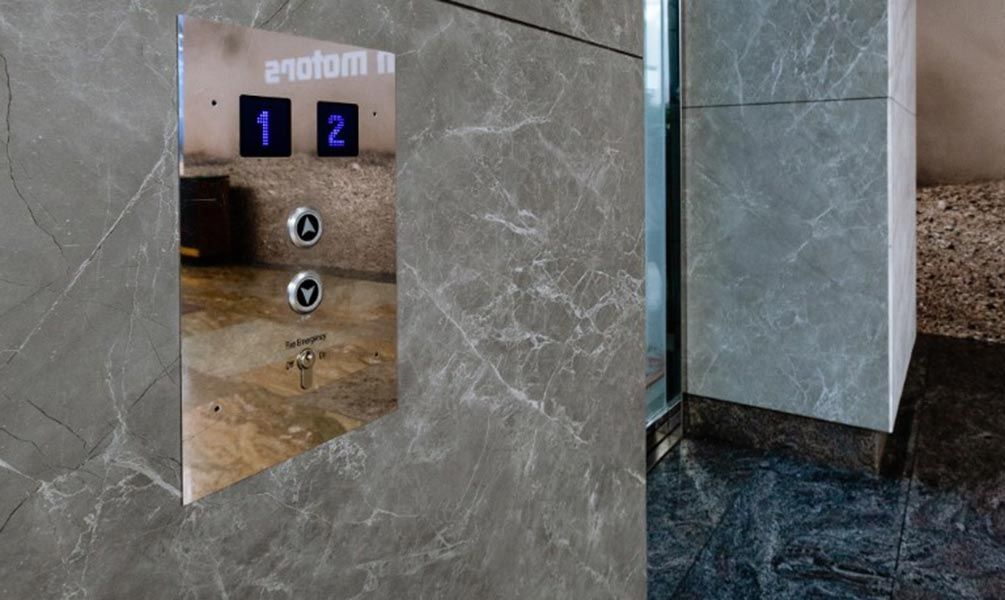
In commercial or high-traffic environments, protective finishes for interior surfaces are particularly important. Offices, hospitality spaces, healthcare facilities, and retail environments require surfaces that withstand daily wear without degrading visually, and a finish from high resistant collection high resistant collection may be the right choice.
Use of high resistant surface for Festival City Mall, Dubai, before and after:
By contrast, residential applications may prioritise aesthetic refinement and moderate durability, depending on room function.
Durability and Long-Term Performance
Surface durability solutions depend on the interaction between three key components:
- The substrate
- The adhesive bonding system
- The protective finishing layer
If one component underperforms, the entire system is compromised.
For example:
- A strong glue combined with a weak top finish may resist detachment but show premature scratching.
- A durable lacquer applied over poorly bonded material may crack if the substrate shifts.
True performance comes from system compatibility. Specifiers should consider environmental conditions such as humidity, temperature fluctuations, cleaning frequency, and mechanical stress.
Choosing the Right System for Different Applications
Different use cases require different technical priorities.
Residential Projects
In homes, adhesive coatings and finishes should balance aesthetics and moderate durability. Kitchens, bathrooms, and children’s rooms may require enhanced moisture and scratch resistance.
Commercial Spaces
Offices and hospitality environments require stronger adhesive bonding systems and more resistant protective finishes due to higher traffic and frequent cleaning.
High-Impact Areas
Elevators, corridors, retail counters, and healthcare settings demand superior adhesion and finishing performance. In these contexts, durability and cleanability are critical decision factors.
Specifying the correct glue for surface coatings and selecting the appropriate protective layer ensures the renovation remains efficient and long-lasting.
Common Misconceptions About Surface Coatings
Several misunderstandings can lead to poor specification decisions:
- “The decorative layer alone determines durability.”
In reality, bonding and finishing systems are equally important. - “All glues perform the same.”
Adhesive performance varies depending on formulation and compatibility. - “Varnish and lacquer are interchangeable.”
Their protective properties and curing behaviours differ. - “Protective finishes are optional.”
In many environments, they are essential for longevity.
Recognising these distinctions allows architects, designers, and contractors to make informed decisions when planning interior renovation finishes.
Technical Awareness Leads to Better Results
Adhesive coatings and finishes are multi-layered systems where each component plays a defined role. Glues provide structural bonding and stability. Varnishes and lacquers enhance resistance and surface performance. Together, they determine durability, maintenance needs, and long-term visual quality.
A well-specified system improves lifecycle value, reduces maintenance interventions, and ensures that interior surfaces perform as expected under real conditions.
To better understand surface solutions and finishing systems, explore other technical articles on our blog. You can also review Cover Styl videos on how adhesive coatings and protective finishes are applied to various type of surface.